State of Emergency Declared as Screwworm Spreads
Officials in the US Southwest have declared a state of emergency as a screwworm outbreak has infected more than 10,000 livestock animals, devastating local farmers and raising concerns about public health. The New World screwworm, a parasitic fly larvae that burrows into living flesh, has spread rapidly across Arizona, New Mexico, Texas, and California, prompting urgent containment measures.
Impact on Livestock and Farmers
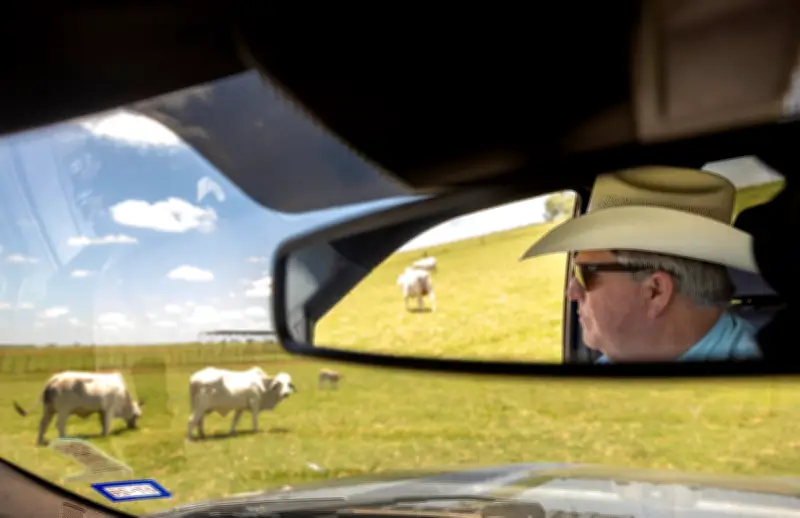
The outbreak has hit cattle, sheep, goats, and horses, with ranchers reporting significant losses. In Arizona alone, over 4,000 animals have been affected, according to state agriculture officials. Farmers like Maria Hernandez of Yuma County described the situation as catastrophic: 'We've lost half our herd. It's heartbreaking and financially devastating.' The screwworm causes painful lesions that can lead to secondary infections, reduced milk production, and death if untreated.
Public Health Risks Emerge
While screwworm primarily infects animals, health officials warn of potential risks to humans, especially in rural communities with limited access to healthcare. The larvae can infest open wounds in people, causing myiasis—a condition that may require surgical removal. Dr. James Carter, an infectious disease specialist at the University of New Mexico, stated: 'We are seeing a handful of human cases, mostly among farm workers. Prompt wound care is essential to prevent complications.'

Containment Efforts Underway
The US Department of Agriculture (USDA) has deployed sterile insect technique (SIT) programs, releasing millions of sterile male screwworm flies to disrupt breeding. Quarantine zones have been established, restricting livestock movement across state lines. However, farmers criticize the slow response. John Martinez, a rancher in Texas, said: 'By the time they acted, the flies had already spread. We need faster action and compensation for our losses.'
Economic Toll Mounts
The outbreak is estimated to cost the agricultural sector over $200 million in lost livestock and treatment expenses, according to the USDA. Small-scale farmers are particularly vulnerable, with many lacking insurance to cover losses. The emergency declaration unlocks federal funds for containment and support, but ranchers fear long-term impacts on their livelihoods.
Climate Change Link Suspected
Scientists note that warmer temperatures and drought conditions linked to climate change may have facilitated the screwworm's northward spread from its traditional habitat in Central America. Dr. Linda Park of the National Climate Adaptation Center explained: 'Warmer winters allow the flies to survive in areas where they previously couldn't. This outbreak may be a harbinger of future pest expansions.'
Community Response and Healthcare Access
Rural communities are mobilizing to protect both animals and people. Mobile veterinary clinics have been set up to treat infected livestock, while public health campaigns emphasize wound hygiene. However, healthcare access remains a challenge. In remote parts of New Mexico, residents must travel hours to see a doctor. Nurse practitioner Ana Gomez noted: 'We're seeing more people with infected wounds from the farm. Telehealth helps, but it's not a substitute for in-person care.'
Looking Ahead
Officials are urging farmers to report suspected cases immediately and to practice strict biosecurity. The USDA aims to contain the outbreak within six months, but experts warn that eradication could take years. For now, the Southwest's farmers face an uncertain future, battling both the screwworm and the broader challenges of climate change and rural healthcare gaps.