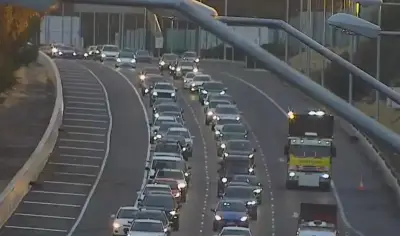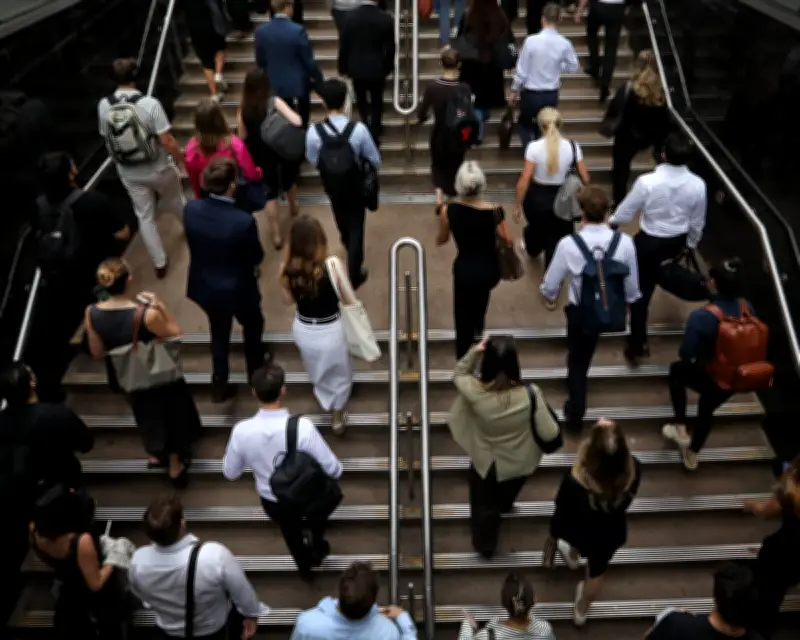
Australian net overseas migration has fallen to its lowest level since mid-2022, adding 301,000 people to the population last year, according to new data from the Australian Bureau of Statistics. While this figure is still above pre-pandemic levels, it marks a steady decline from the peak of 556,000 in late 2023.
Political Debate Intensifies
The release of the data comes amid heightened political tensions over immigration, following Pauline Hanson's declaration that Australian society should be “monocultural”. The Coalition has repeatedly criticised the Labor government for failing to bring migration numbers back to “sustainable” levels.
Treasurer Jim Chalmers responded to the figures, stating that “the facts clearly show that net overseas migration is coming down under Labor”. The May budget had forecast net overseas migration (Nom) to drop to 295,000 this financial year, 245,000 next year, and 225,000 in 2027-28.

New Normal for Migration
Terry Rawnsley, a senior economist at KPMG, suggested that “the nation looks to have settled into a new normal level of net overseas migration of around 300,000 people per year”. This is about 25% (or 50,000) above historical levels, driven by strong migration into Queensland and Western Australia.
“The sunshine state is bringing in 75% more people from overseas than before Covid, while on the west coast there has been a 250% increase,” Rawnsley said. “These large increases are reflective of the two states’ strong economies. Both are having to tap overseas workers to fill the jobs their economies are creating.”
In contrast, net overseas migration into New South Wales and Victoria has returned to pre-pandemic levels.
Population Still Below Pre-Pandemic Projections
Despite the increase in net overseas migration over the past few years, Australia’s population in mid-2025 was still about 350,000 less than Treasury predicted in the December 2019 mid-year budget, before the global health crisis.
However, shadow immigration minister Jonno Duniam argued that annual net overseas migration of 301,000 was “still far too high”. He added, “Particularly at a time when Australians are struggling to find a home, rents remain under extreme pressure and public infrastructure and services are badly stretched.”