For decades, Australia's major cities have been the focal points of innovation, with tech startups, venture hubs, and digital infrastructure often concentrated in Sydney, Melbourne, and Brisbane. But that's changing fast. Across the country—and beyond its shores—regional communities are stepping into the digital economy with growing confidence. From the vineyards of the Hunter Valley to the islands of the Pacific, new technology hubs are giving people the skills and tools to connect, create, and compete globally.
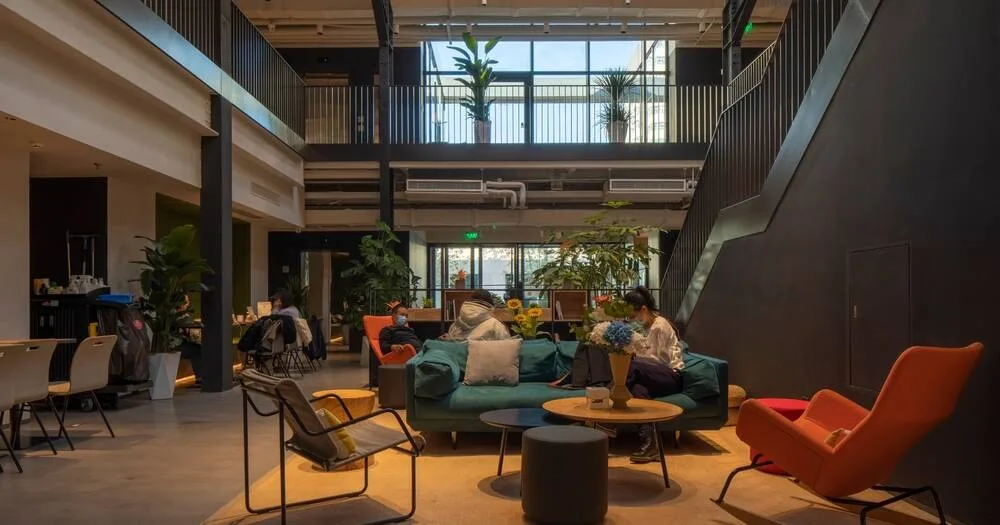
In places like Newcastle, Townsville, and Launceston, digital hubs are providing access to shared workspaces, mentoring, and training programs that help people learn coding, data analytics, and digital marketing. These aren't just technology projects—they're community builders. By helping locals learn new skills, regional hubs are keeping talent close to home and encouraging sustainable economic growth.
Connectivity is the foundation of this new digital landscape. Access to high-speed internet is no longer a luxury—it's a basic requirement for education, healthcare, and commerce. Partnerships between local councils, universities, and regional development agencies have helped expand reliable internet access across large parts of rural NSW and Queensland. In some towns, mesh networks and low-orbit satellite systems are closing the gap where fibre networks can't reach.

The momentum doesn't stop at Australia's coastline. Across the Pacific, similar efforts are underway to strengthen digital inclusion and resilience. Programs supported by Australian Aid have played an important role in helping island nations improve connectivity, digital literacy, and access to online financial tools. In countries such as Fiji, Papua New Guinea, and Samoa, new digital initiatives are teaching communities how to use online platforms for small business management, e-commerce, and remote education.
The success of any digital initiative ultimately depends on people, not platforms. Regional TAFEs and local innovation hubs are introducing courses in cloud computing, app design, and cyber-safety—giving students and small-business owners practical, hands-on experience. Community centres and libraries are also offering free digital skills sessions, helping older Australians and newcomers to the workforce get comfortable with everyday tools like online banking, video conferencing, and e-commerce.
Technology has the potential to make regional communities more resilient in the face of change—whether that's environmental, economic, or social. Renewable energy microgrids, smart agriculture sensors, and other innovations are already being adopted in regional areas, helping communities adapt and thrive.