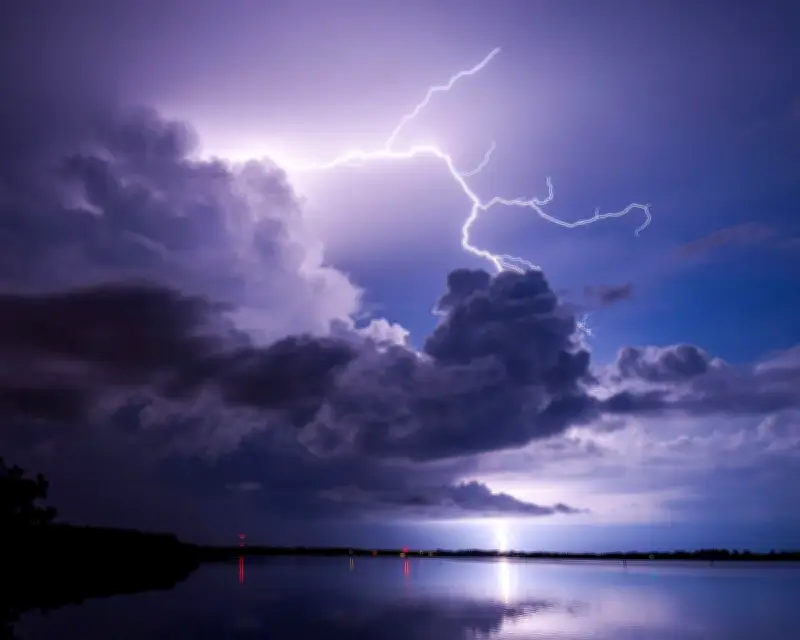
Hot weather is expected to be a major concern at the upcoming World Cup, but lightning may also pose a significant problem. Under US safety regulations, a lightning strike within 10 miles (16 kilometers) of a stadium triggers an automatic 30-minute suspension of the game, during which all players must leave the pitch.
Safety Zone Based on Research
The size of the safety zone is determined by research on how far lightning can strike from a storm, even when there are no clouds directly overhead. This is more than a theoretical risk; during a match in the Democratic Republic of the Congo in 1998, an entire team was killed by a single bolt of lightning. Numerous other deadly incidents have occurred worldwide.
Rules for Resumption
According to the regulations, if no further lightning is detected within the 30-minute period, the game can restart. However, any additional electrical activity resets the clock for another half-hour. If the delay exceeds one hour, officials may need to consider rescheduling the match entirely.

Florida's High Risk
The lightning ruling would not normally be a major issue, except that some World Cup games are scheduled in Florida, the lightning capital of the United States. June and July are also the peak months for thunderstorms in the region, with an average of 20 stormy days each month. This combination could lead to significant disruptions during the tournament.
Organizers and teams will need to prepare for potential lightning delays, ensuring player safety while minimizing impact on the schedule. The rules are designed to protect everyone involved, but the frequency of storms in Florida means that lightning could become a recurring theme during the World Cup.