Emergency Evacuation on ISS
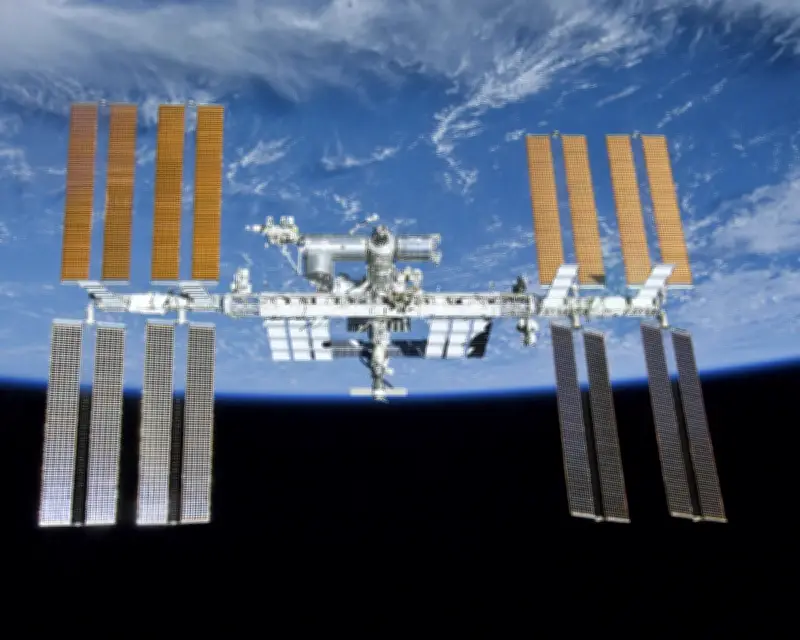
Astronauts aboard the International Space Station (ISS) were forced to evacuate to a safe module on Friday after an air leak was detected. The leak, which occurred in the Russian segment of the station, prompted an immediate response from the crew and ground control.
Details of the Incident
The leak was first detected by sensors monitoring the station's atmosphere. Within minutes, the crew of seven astronauts and cosmonauts moved to the U.S. segment, which was sealed off from the affected area. NASA and Roscosmos confirmed that all crew members are safe and that the situation is under control.
Engineers on the ground are working to identify the source of the leak. Preliminary reports suggest it may be related to a faulty seal or micrometeoroid impact. The ISS has experienced similar leaks in the past, most notably in 2018 and 2020, which were successfully repaired.

Safety Protocols
The evacuation followed standard safety protocols. The crew closed hatches between modules to isolate the leak and maintain pressure in the rest of the station. The U.S. segment is equipped with its own life support systems, ensuring the crew can remain there indefinitely if needed.
NASA spokesman James Miller said, "The crew is safe and in good spirits. We are monitoring the situation closely and will provide updates as we learn more."
The ISS has been continuously occupied since 2000, and such incidents highlight the challenges of long-duration space habitation. Despite the risks, the station remains a vital platform for scientific research and international cooperation.
Next Steps
Once the leak is located, engineers will decide whether it can be repaired in orbit or if a spacewalk is required. In the worst-case scenario, the crew could temporarily abandon the station using the attached Soyuz and Crew Dragon capsules, which are always ready for emergency return.
The ISS is expected to continue operations until at least 2030, with ongoing upgrades and maintenance. This incident serves as a reminder of the importance of robust safety measures in space exploration.