The global economy is teetering on the brink of a major downturn, with rising inflation, supply chain disruptions, and slowing growth in major economies. According to recent reports from the International Monetary Fund, the risk of a global recession has increased significantly, with projected growth falling below 2% for the first time in decades.
Immediate Government Action Needed
Governments worldwide must implement coordinated fiscal stimulus measures to boost demand and prevent mass unemployment. Central banks should consider temporary rate cuts and quantitative easing to stabilize financial markets. Without swift action, the world could face a repeat of the 2008 financial crisis, but on a larger scale.
Regulatory Reforms and Global Cooperation
In addition to short-term stimulus, structural reforms are essential. Strengthening financial regulation, addressing income inequality, and investing in green energy can create sustainable growth. International cooperation, particularly through the G20 and United Nations, is critical to avoid protectionist policies that could worsen the crisis. As one economist noted, "No country can solve this alone; we need a unified global response."

Impact on Ordinary Citizens
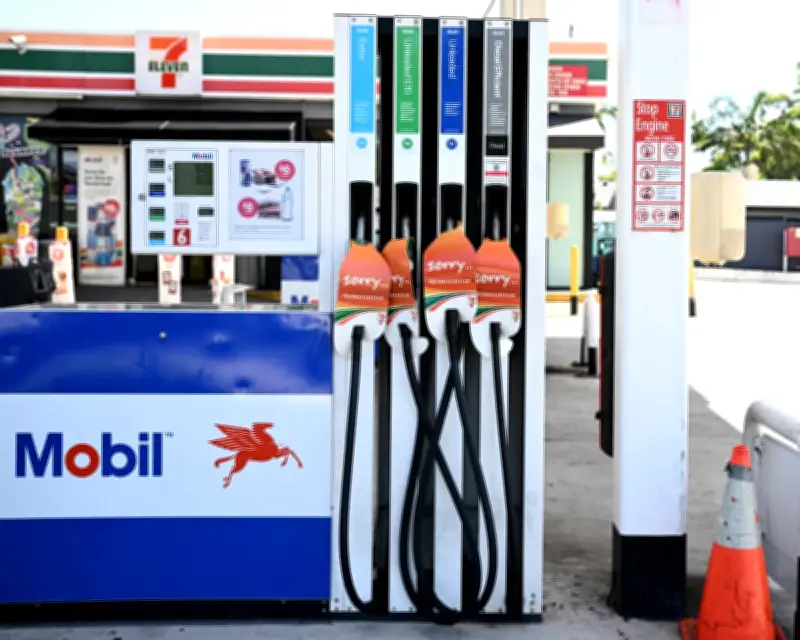
The crisis is already hitting households hard. Food and energy prices have surged by 15% in the past year, while real wages have stagnated. Small businesses are struggling to access credit, and unemployment is rising in sectors like manufacturing and hospitality. Governments must prioritize social safety nets, including expanded unemployment benefits and food assistance programs, to protect the most vulnerable.
Without decisive action, the economic pain could persist for years. The time for half-measures is over; leaders must act now to avert a catastrophe.