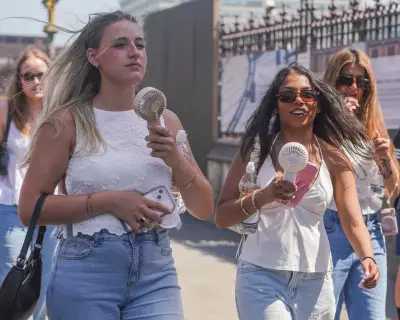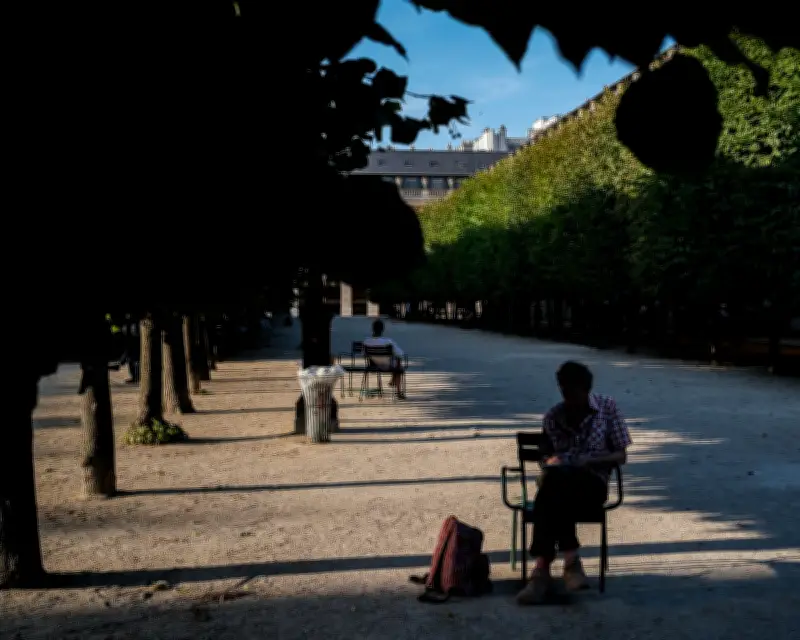
As heatwaves become more frequent and intense due to climate change, European cities are emerging as laboratories for heat adaptation strategies. From Vienna to Seville, urban planners are implementing measures to cool down cities and protect residents from deadly heat. These initiatives offer a blueprint for other regions grappling with rising temperatures.
Green Roofs and Urban Greening
Vienna has mandated green roofs on new buildings since 2015, and the city now boasts over 100 hectares of rooftop vegetation. These green roofs reduce indoor temperatures by up to 3°C and lower the urban heat island effect. Similarly, Paris has pledged to green 40% of its rooftops and walls by 2030, while Berlin offers subsidies for green roof installation. According to a study by the European Environment Agency, urban greening can reduce surface temperatures by up to 8°C.
Cool Pavements and Shade
Seville, Spain, is testing reflective pavements that can lower surface temperatures by up to 5°C. The city has also planted thousands of trees to create shaded corridors along pedestrian routes. In Athens, the government has installed shade structures over public squares and playgrounds, reducing heat exposure by up to 20%. The city's chief heat officer, Eleni Myrivili, emphasized that "shade is the most effective and low-cost solution to protect people from heat."

Cooling Centers and Public Awareness
Many European cities have established cooling centers in public buildings during heatwaves. For instance, Paris opens air-conditioned libraries and museums as refuges, while Barcelona uses its metro stations as cooling hubs. Public awareness campaigns, such as Vienna's "Heat Action Plan," advise residents to stay hydrated and check on vulnerable neighbors. The plan includes a heat warning system that triggers alerts when temperatures exceed 35°C for two consecutive days.
Water Features and Blue Infrastructure
Incorporating water features is another effective strategy. Copenhagen has transformed its harbor into a public swimming area, while London's "Cooling the City" project includes fountains and misting stations in public spaces. These features not only cool the air through evaporation but also provide recreational opportunities. A 2024 report by the European Commission found that blue infrastructure can reduce local temperatures by 2-4°C during heatwaves.
Lessons for the World
As global temperatures continue to rise, cities worldwide can learn from European innovations. The key is a combination of green and blue infrastructure, reflective materials, and public engagement. According to the World Health Organization, heat-related deaths could increase by 50% by 2050 without adaptation measures. By adopting these strategies, cities can not only save lives but also enhance quality of life in a warming world.