Survivors of the devastating earthquakes that rocked Venezuela on June 23 have described scenes of terror and chaos, as the death toll climbed past 500 and entire communities were leveled.
Escape from the Rubble
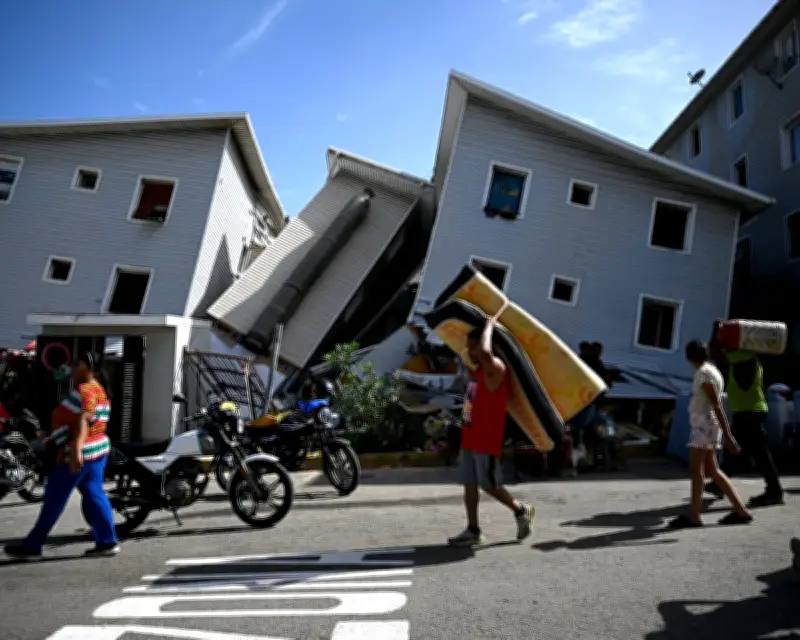
Residents in the hardest-hit city of Cumaná recounted fleeing collapsing buildings as the ground shook violently for nearly two minutes. "I thought the world was ending," said María López, a 45-year-old teacher who lost her home. "We ran into the streets, but there was nowhere safe."
The 7.8-magnitude quake struck at 2:35 p.m. local time, followed by a series of aftershocks, the largest measuring 6.2. According to the Venezuelan government, at least 2,000 people are missing and more than 15,000 have been injured.

Widespread Destruction
In the state of Sucre, where Cumaná is located, officials reported that 80% of buildings were damaged or destroyed. The historic city center, with its colonial-era structures, was particularly hard hit. "We have lost not only homes but our heritage," said Governor Luis Marcano.
The quake also triggered landslides in the surrounding mountains, burying several villages. Rescue workers, hampered by damaged roads and intermittent communications, have been digging through rubble with their hands and basic tools.
Government Response
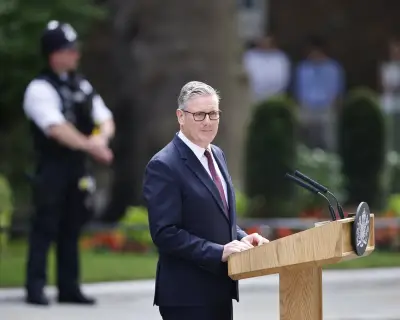
President Nicolás Maduro declared a state of emergency and deployed the military to assist in rescue efforts. However, many survivors criticized the slow response. "We waited hours for help," said José Rivas, a 32-year-old fisherman whose wife is still missing. "The army arrived only after the second quake."
International aid has begun to arrive, with neighboring Colombia and Brazil sending search teams and supplies. The United Nations has pledged $10 million in emergency assistance.
Personal Stories of Loss
In the town of Barcelona, 200 kilometers west of the epicenter, families gathered at a makeshift morgue to identify loved ones. "I found my sister's body under a beam," sobbed Ana Castillo, 28. "She was only 22. She had just graduated."
Many survivors are now sleeping in the open, afraid to return to their homes. The government has set up shelters in schools and sports stadiums, but resources are stretched thin. "We have no food, no water, no medicine," said community leader Carlos Méndez. "We are paralyzed by fear."
Seismic Context
Venezuela sits on the boundary of the Caribbean and South American tectonic plates, making it prone to earthquakes. The last major quake, in 1997, killed 73 people in the same region. Scientists warn that aftershocks could continue for weeks.
As the nation mourns, the focus remains on rescue and recovery. "Every hour we find more survivors, but also more bodies," said firefighter commander Juan Pérez. "We will not stop until we have searched every pile of rubble."