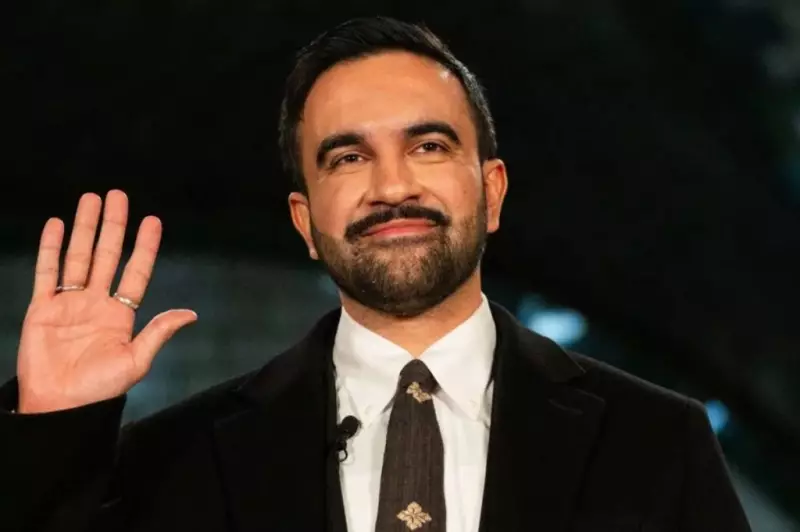
New York City has ushered in a new political era with the historic inauguration of Zahara Mamdani as its 110th mayor. The swearing-in ceremony, held on January 2, 2026, at City Hall, marked a significant moment for the city, installing a leader who campaigned on a platform of bold, progressive change.
A Historic Day at City Hall
The inauguration ceremony was a vibrant event, filled with symbolism and hope. Mamdani took the oath of office with her hand placed on a cherished family heirloom—a Quran that has been passed down through generations. In her inaugural address, the new mayor did not shy away from the immense challenges facing the metropolis, but framed them as opportunities for renewal.
Mayor Mamdani immediately outlined her administration's core priorities, which she dubbed the "pillars of a fairer New York." At the top of her agenda is tackling the city's severe housing affordability crisis. She pledged to accelerate the construction of affordable housing units and introduce stronger tenant protection laws to combat skyrocketing rents and displacement.

Climate Action and Economic Equity
Climate resilience formed another critical pillar of her speech. Mamdani committed New York to more aggressive carbon reduction targets and announced plans for major investments in green infrastructure and renewable energy projects. She argued that environmental justice is inextricably linked to social justice, promising that low-income neighbourhoods would no longer bear the brunt of pollution and climate vulnerability.
On the economic front, the mayor vowed to bridge the city's deep inequality gap. Her plans include fostering job growth in the green technology and creative sectors, alongside initiatives to support small businesses that form the backbone of many local communities. She emphasised that economic recovery must be inclusive, leaving no New Yorker behind.
The Road to City Hall
Zahara Mamdani's path to the mayor's office is a notable one. A former community organiser and city council member known for her grassroots advocacy, she built a coalition that resonated with a diverse electorate seeking change. Her victory in the November 2025 election was seen as a mandate for a new direction, following years of standard political leadership.
Political analysts suggest her inauguration signals a potential shift in urban governance priorities across the nation, with a sharper focus on social equity and transformative climate policy. The eyes of the world are now on New York to see how these ambitious plans will be translated into action.
The first 100 days of the Mamdani administration will be closely watched, as she begins the complex work of turning campaign promises into legislative and budgetary reality. With a city council that appears broadly supportive of her vision, the stage is set for a period of significant policy debates and potential landmark reforms in one of the world's most iconic cities.