The European Union is preparing to host Taliban representatives in Brussels for the first time, as part of its efforts to deport Afghan asylum seekers whose claims have been rejected. The move has drawn sharp criticism from human rights groups, who argue it legitimizes a regime that has imposed severe restrictions on women's rights and is accused of arbitrary arrests, detention, and torture.
EU Migration Pact Takes Effect
The latest version of the EU migration and asylum pact, expected to become operational on 12 June, includes building offshore processing centres and third-country deportation hubs. It gives governments expanded detention powers, including the right to detain children, and fast-track removals. More than 80 human rights organizations have called these measures "ICE-style" detection, raids, detention, and offshore return practices across Europe.
Green MEP Mélissa Camara called the pact a "legal arsenal serving a xenophobic ideology." European Commission President Ursula von der Leyen has been partnering with authoritarian governments to keep out unwanted migrants, paying them to accept deportees.

Talks with the Taliban
The EU Commission's home affairs directorate is set to host a delegation from Afghanistan's Taliban regime in Brussels. Officials insist the discussions are "technical" and focus on aid delivery and women's rights, but critics warn that the invitation risks legitimizing a regime the EU does not formally recognize. The Taliban have banned secondary and higher education for girls and women, limited women's employment, and restricted access to public spaces since returning to power in August 2021.
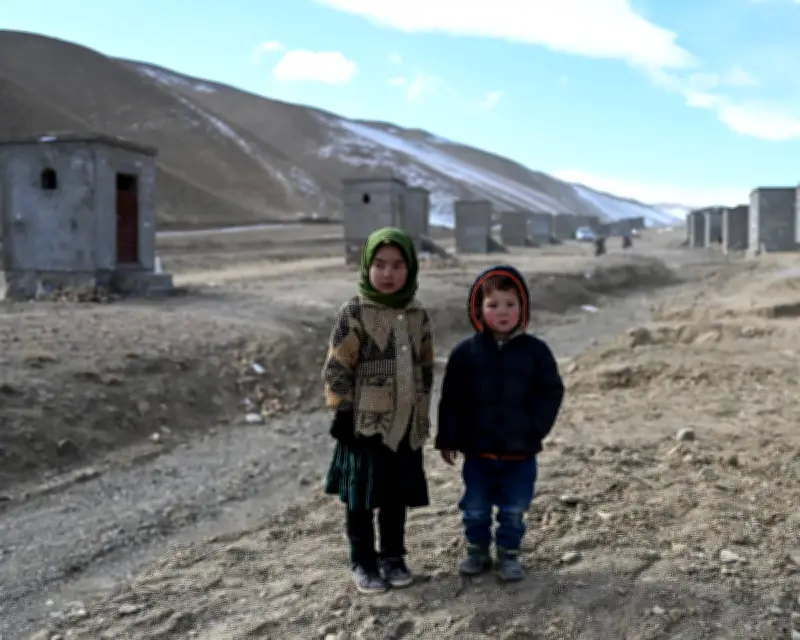
However, the talks are primarily about forcibly deporting asylum seekers whose claims have been rejected. Returnees face arbitrary arrest, detention, and torture in Afghanistan, which is also in the midst of a food crisis.
Dehumanizing Language and Policies
EU political elites hide harsh policies behind bureaucratic language: cash-for-migration deals are called "partnerships," deportation becomes "return management," and those being sent home are cast as "criminals" or "illegals." This dehumanizing language shifts focus from rights and dignity to control and deterrence, making it easier to justify detention, pushbacks, and collective suspicion.
The European Network Against Racism points to an "imagined whiteness" that defines who belongs to Europe and who remains a suspect outsider. This is connected to the EU's selective application of rules: Ukrainian refugees are welcomed, while those from war-stricken global south countries face illegal pushbacks. The same institutions that talk to the Taliban about deportations have done little to stop Israel's actions in Gaza.
Broader Implications
Shada Islam, a Brussels-based commentator, writes that once political elites convince people that some humans deserve fewer rights, the circle of exclusion expands. Pro-Palestine protesters are portrayed as security threats, police violence is normalized, and universities are pressured to monitor debate. Journalists and human rights advocates face intimidation when criticizing Israel, and humanitarian organizations are criminalized for preventing migrant deaths at sea.
European societies face genuine pressures of inequality, housing shortages, and overstretched services, but politicians choose the easier path of demonizing refugees and minorities. The absence of outrage at the planned meeting with the Taliban reminds us that when the shocking becomes mainstream, all of us are potential targets.