Australia is falling behind in the global shift toward AI-driven energy transformation, warns tech entrepreneur Kosha Gada. The nation's energy debate remains stuck in early 2000s logic—replace coal with renewables, build transmission, add batteries, electrify transport, and reach net zero. However, the world is entering an industrial-scale computing age where AI, cloud computing, and massive data infrastructure demand vast amounts of electricity.
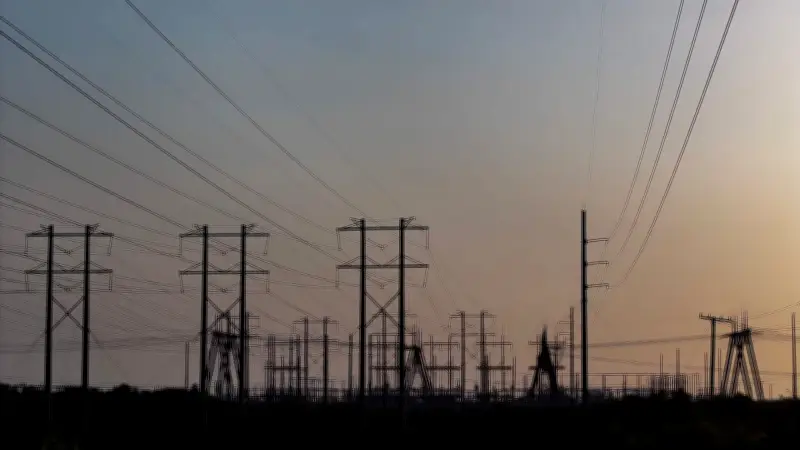
Globally, data centers already consume about 415 terawatt-hours of electricity annually, a figure the International Energy Agency projects could more than double by 2030—equivalent to Japan's entire electricity consumption today. Yet Australia's leaders still act as if the challenge is consuming less power rather than producing vastly more.
The Unseen Bargain
Long-term AI demand is uncertain, but tech giants like Microsoft, Amazon, Google, and Meta are investing hundreds of billions in hyperscale AI infrastructure. Governments are redesigning energy systems around surging electricity demand. Australia, however, is sleepwalking into this transition without deciding its role.

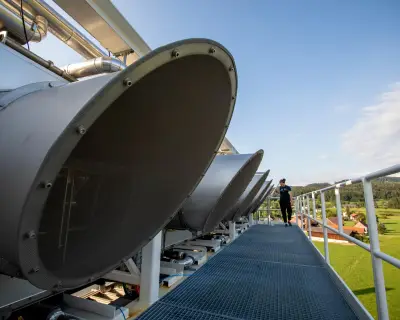
A single hyperscale data center can consume as much power as 100,000 homes. Battery installations and transmission corridors disrupt rural land and ecosystems. The digital economy is not replacing industrialisation—it is industrialisation rebuilt around computation. Yet these systems create few permanent jobs relative to their resource demands.
Geopolitical Implications
The shift is geopolitical. The US and China are taking different paths: the US pursues hyperscale commercial density, while China prioritises state-directed energy abundance and computational resilience. The US hosts nearly 4,300 data centers (13 per million people); Australia has about 12 per million, Canada 8, and Ireland 25 (with data centers consuming over 20% of national electricity). China has only 0.3 per million, deliberately pushing infrastructure inland via its "Eastern Data, Western Compute" strategy.
China assumes the defining constraint will be reliable electricity and sovereign capacity, expanding coal alongside renewables. India is following a similar path. Europe struggles with high prices and grid fragility.
Australia's Paradox
Australia should be well-positioned: vast territory, political stability, energy-export infrastructure, solar potential, mineral wealth, and 14% of global black coal reserves. Yet it has failed to integrate energy, infrastructure, technology, and investment into a coherent strategy. Policy is fragmented: aging NBN, hyperscale clustering near Sydney and Melbourne, and hostility toward dispatchable generation. The country remains trapped in pre-AI ideological battles, reliant on mining, property, and population growth.
The AI boom offers renewed relevance and diversification, but without strategic planning, it risks becoming an extractive model where Australian land, infrastructure, and taxpayers subsidise foreign tech giants.
The Politics of Small Thinking
Canberra shows little evidence of serious thinking. Energy Minister Chris Bowen's portfolio focuses on emissions accounting and performative signalling, detached from the core question: how to massively expand reliable electricity while staying competitive. This failure is bipartisan. Both sides have treated energy as a climate or pricing problem, not a strategic foundation.
If even half the assumptions driving global AI investment prove correct, reliable electricity, transmission, and computational capacity will become sources of geopolitical leverage. Australia—an energy superpower with enormous coal and gas reserves—is becoming less capable of delivering cheap, stable domestic energy, let alone meeting global demand.
Australia should be planning inland computational corridors, dispatchable generation, sovereign infrastructure ownership, and ensuring citizens benefit. Instead, it remains trapped in pre-AI assumptions. This moment requires statesmanship, not climate politics. The danger is not just missing the AI boom, but sleepwalking into the most electricity-intensive transition in history without deciding what role to play.
Kosha Gada is a tech entrepreneur and CEO of Memories Technologies Pty Ltd, and a broadcast commentator on Sky News Australia.