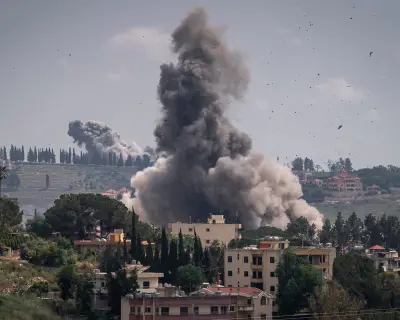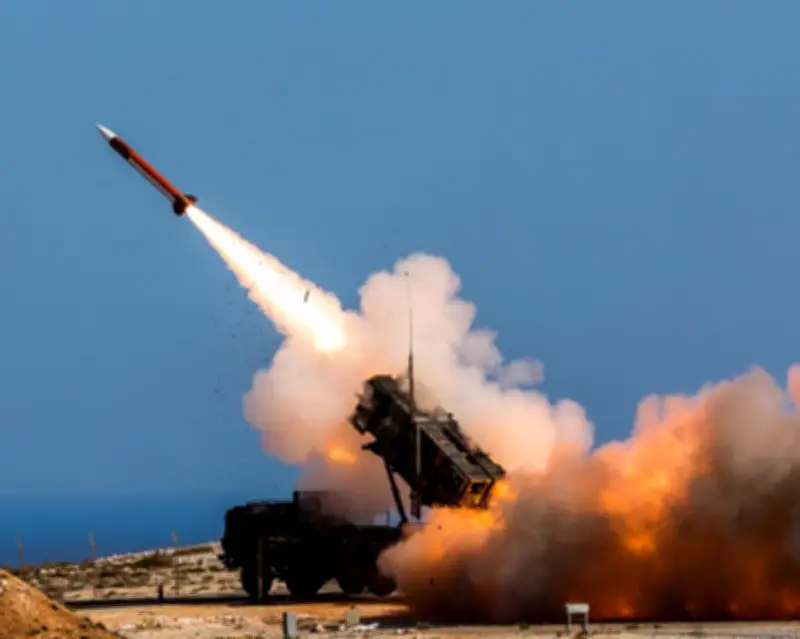
Russia is exploiting a critical global shortage of air defence interceptor missiles as it intensifies airstrikes against Ukraine, with experts warning that a shortfall in the Patriot system creates a "window of vulnerability" for countries relying on it.
Patriot System Under Strain
The MIM-104 Patriot, manufactured by Raytheon and Lockheed Martin, is the primary surface-to-air system used by the US military to intercept ballistic missiles. It is also widely used by US allies, including Gulf states and Ukraine. Each battery costs about $1 billion, and heavy use in the US-Israeli campaign against Iran, alongside the war in Ukraine, has depleted interceptor stocks.
On Tuesday, after a massive Russian air raid involving 73 missiles and nearly 700 drones, Ukrainian President Volodymyr Zelenskyy reiterated his plea for more interceptors. Experts warn that the shortage is noted by adversaries from China to Iran, even as the US ramps up production.

Impact on NATO and Allies
The shortage affects NATO readiness planning amid a growing Russian threat. Countries like Germany, the Netherlands, Greece, Spain, Poland, and Sweden use the Patriot system. Analysts attribute the crisis to cost-cutting, mistaken defence planning, and failure to anticipate prolonged conflict with Iran. Some estimates suggest nearly a third of Patriot interceptor stockpiles have been depleted in the Iran conflict, with Gulf states firing over 1,100 interceptors.
Lockheed Martin produces about 600 interceptors annually, aiming to treble production. Each interceptor costs around $3 million. Mark Cancian of the Center for Strategic and International Studies notes that while total interceptor supply is at about 68%, countries that need them most face competition for dwindling stocks.
Historical Context and Future Risks
During the Cold War, air defence systems struggled in budget processes due to long storage periods. Countries kept small stockpiles, not anticipating high usage. Russia's full-scale invasion of Ukraine in 2022 changed thinking about protracted conflict. The Biden administration began boosting defence industrial capacity, but increasing production takes years, leading to a shortage likely lasting two to three years.
Tom Karako of CSIS noted that the US and Israel began the Iran war with a "big hole" in interceptor stocks, which widened as missiles were fired. Russia has exploited this in Ukraine, where access to Patriots has been a source of friction between Kyiv and the Trump administration.
Ukraine's Desperate Need
Ukraine faces an increasingly urgent situation as Russia threatens massive systemic air attacks. Phillips O'Brien of the University of St Andrews says the shortage raises the probability of Russian strikes on critical infrastructure. In January, Ukraine was reportedly almost out of Patriots. Yuri Ignat, spokesperson for Ukraine's air force, emphasized that only Patriot systems can counter ballistic threats, and additional supplies are desperately needed.
President Zelenskyy constantly stresses the need for air defence interceptors. While US officials insist sufficient munitions exist for any war, some question whether the Trump administration anticipated the prolonged Iran conflict's impact on stockpiles. Virginia Burger, a former marine officer, noted that Pentagon officials likely knew the reality of stockpile drawdowns to critical levels.