Middle East Conflict Escalates Dramatically After US-Israel Air Strikes Target Iran
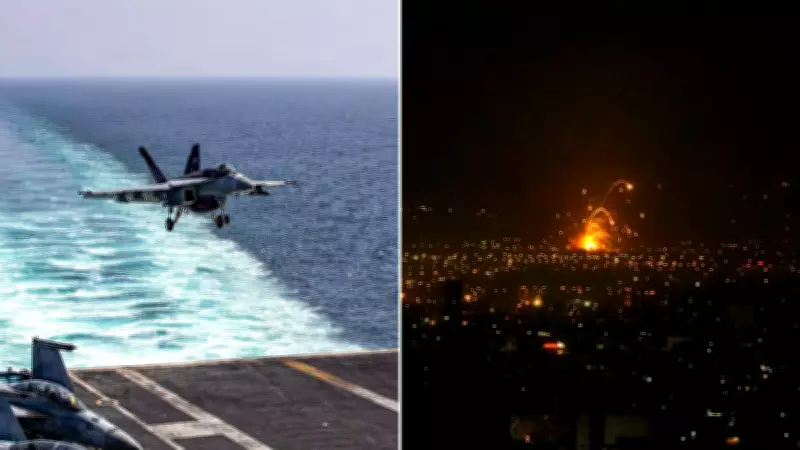
The geopolitical landscape of the Middle East has been violently reshaped following a coordinated military assault by the United States and Israel against Iran. The operation, codenamed Operation Epic Fury, resulted in the death of Iran's Supreme Leader Ayatollah Ali Khamenei along with several senior Iranian officials. This aggressive push for regime change has ignited a fierce retaliatory response from Tehran, with strikes now targeting Israel and the United Arab Emirates.
Global Travel and Trade Paralyzed by Unprecedented Airspace Closures
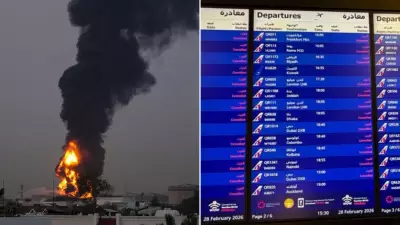
The immediate aftermath of the conflict has sent shockwaves through global systems, particularly impacting aviation and energy sectors. Major transit hubs including Dubai International Airport, the world's busiest international airport, have sustained damage and remain closed. Airports in Abu Dhabi, Kuwait, and Doha have also been hit, leading to the cancellation of thousands of flights worldwide.
Airspace over Iran, Iraq, Kuwait, Israel, Bahrain, the UAE, and Qatar has been virtually emptied, creating one of the most severe aviation disruptions in recent history. Emirates has suspended all operations from its Dubai hub, while Qatar Airways has halted all flights indefinitely. Germany's Lufthansa has extended its regional flight suspensions through March 8.

Human and Economic Toll Mounts as Conflict Intensifies
The United States Central Command has confirmed three American service members killed during Operation Epic Fury, with five others seriously wounded and several sustaining minor injuries. Military officials describe the situation as fluid, with major combat operations continuing as the conflict escalates.
Economically, the conflict has triggered immediate consequences with Brent crude oil prices surging 10 percent to $80 per barrel. Analysts predict prices could climb as high as $100 per barrel, putting additional pressure on global economies already grappling with inflation. The Gulf region, a critical intersection for both air and sea cargo, faces unprecedented trade lane disruptions.
Passengers Stranded Worldwide as Aviation Chaos Spreads
The ripple effects of the Middle East airspace closures have stranded tens of thousands of passengers across the globe. From Bali to Kathmandu, Frankfurt to Dhaka, travelers face uncertainty and logistical nightmares. Frankfurt airport witnessed overwhelmed phone hotlines as passengers like Lara Haenseler from Bochum, Germany, struggled to rebook cancelled Dubai flights.
In Bali's I Gusti Ngurah Rai International Airport, long queues snaked through terminals as passengers sought information about their flights. Similar scenes unfolded at Hazrat Shahjalal International Airport in Dhaka, where travelers sat on luggage awaiting updates, while departure boards in Kathmandu displayed extensive cancellation lists.
Unprecedented Scale of Aviation Disruption
Analysts note that while the region has experienced travel disruptions in recent years, the current situation represents an unprecedented crisis. The prolonged closure of Middle Eastern skies for more than 24 hours, combined with the simultaneous shutdown of all three major Gulf transit hubs, creates logistical challenges without modern precedent.
Approximately 4,000 flights were scheduled to land in the region on Sunday alone, according to analytics firm Cirium. The UAE's civil aviation authority reported assisting about 20,200 stranded travelers on Saturday. With Dubai and Doha serving as critical east-west crossroads for global air travel, their paralysis disrupts airline schedules worldwide, stranding aircraft and crews out of position.
Regional Retaliation and Ongoing Military Operations
Iran has launched retaliatory air attacks against Israel and neighboring Gulf states, with loud explosions reported near Dubai and over Doha for consecutive days. Israel has responded with additional strike waves against Iranian targets. The conflict shows no signs of immediate de-escalation, with regional airline sources uncertain how long the airspace turmoil will continue.

The loss of Iranian and Iraqi overflight routes compounds existing aviation challenges, particularly since the Russia-Ukraine conflict already restricted access to those airspaces. Airlines across Europe, Asia, and the Middle East now face lengthened journeys, increased fuel costs, and complex rerouting decisions as they navigate the rapidly evolving conflict zone.