Trump Issues Stark Warning to Iran Over Energy Sector
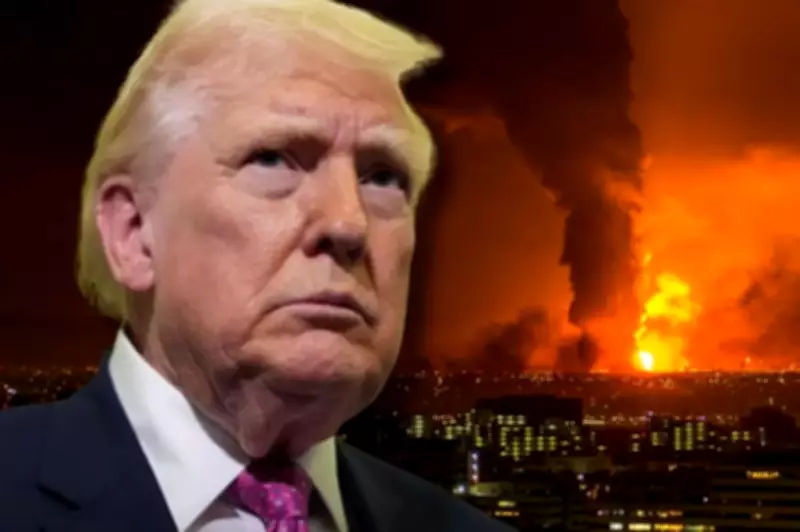
Former United States President Donald Trump has issued a direct and provocative threat targeting Iran's energy industry, escalating geopolitical tensions in the volatile Middle East region. This development comes amid ongoing international concerns over Iran's nuclear program and its influence in global oil markets, potentially destabilizing energy supplies worldwide.
Background of the Threat
The warning was delivered through a public statement, where Trump emphasized his administration's previous hardline stance against Iran. He specifically referenced Iran's oil exports and energy infrastructure as potential targets for economic or military action, should he return to power. This move is seen as a continuation of his "maximum pressure" campaign, which was a hallmark of his presidency from 2017 to 2021.
Implications for Global Energy Markets
Iran is a significant player in the global energy landscape, with vast oil reserves and a strategic location in the Persian Gulf. Any disruption to its energy sector could lead to:

- Increased oil prices due to supply constraints.
- Heightened volatility in international markets.
- Potential conflicts with other regional powers.
Experts warn that such threats could exacerbate existing tensions, particularly as the world grapples with energy security challenges post-pandemic.
Regional and International Reactions
Reactions from the international community have been mixed. Allies of the United States, such as Israel and Saudi Arabia, have expressed support for a tough stance on Iran, citing security concerns. Conversely, European nations and China have urged restraint, emphasizing the need for diplomatic solutions to avoid further escalation. Iran has condemned the threat, labeling it as "reckless" and vowing to defend its sovereignty.
Historical Context and Future Outlook
This is not the first time Trump has targeted Iran's energy sector. During his presidency, he imposed stringent sanctions that crippled Iran's oil exports, leading to economic hardship. If he were to implement similar measures again, it could have far-reaching consequences, including:
- Strained international relations and potential trade disputes.
- Increased military posturing in the Middle East.
- Uncertainty for global energy investors and market stability.
As the situation unfolds, analysts are closely monitoring developments, noting that such rhetoric could influence upcoming political events and energy policies worldwide.