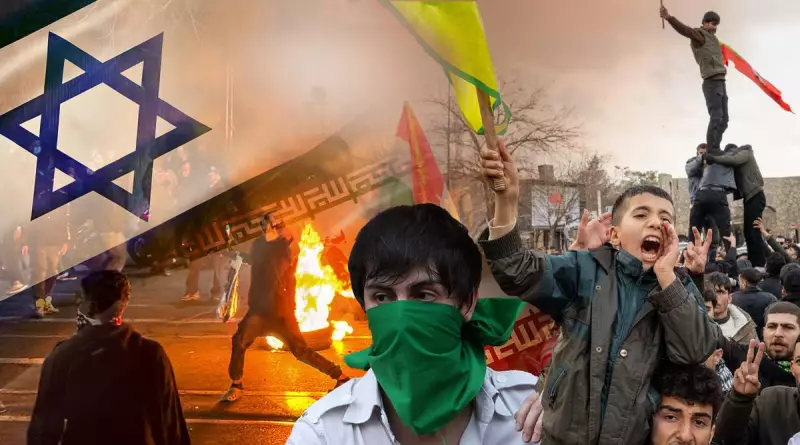
Anti-Zionist Movements' Silence on Iranian Protester Murders Sparks Debate
In a recent opinion piece, the silence of anti-Zionist movements regarding the murder of Iranian protesters has been highlighted as a significant and troubling issue. This lack of response, according to the analysis, should not come as a surprise given the historical and political contexts that shape these movements. The piece delves into the complexities of activism in the Middle East, where selective outrage often overshadows consistent human rights advocacy.
Context of the Protests and Murders
The protests in Iran, which have seen numerous participants killed by authorities, represent a critical human rights crisis. These events have drawn international condemnation from various governments and human rights organisations. However, the opinion notes that anti-Zionist groups, which frequently vocalise their opposition to Israeli policies, have remained notably quiet on this matter. This silence is contrasted with their active campaigns against Zionism, raising questions about their priorities and consistency.
Analysis of Anti-Zionist Movements' Stance
The piece argues that this silence stems from a broader ideological alignment. Anti-Zionist movements often position themselves in opposition to Western imperialism and its allies, including Israel. In this framework, Iran is sometimes viewed as a resistance force against Western influence, leading to a reluctance to criticise its internal actions. The analysis suggests that this selective activism undermines the credibility of these movements, as it appears to prioritise political narratives over universal human rights principles.

- The murders of Iranian protesters have received limited attention from anti-Zionist circles.
- This silence is linked to ideological sympathies with Iran as an anti-Western state.
- It reflects a pattern where human rights issues are overshadowed by geopolitical considerations.
Broader Implications for Human Rights Advocacy
This situation raises important questions about the role of activism in global politics. When movements focus narrowly on specific conflicts or ideologies, they risk ignoring other grave injustices. The opinion calls for a more consistent approach to human rights, one that condemns violence and oppression regardless of the perpetrator's political alignment. This could help build a more credible and effective advocacy landscape that truly prioritises the welfare of all people.