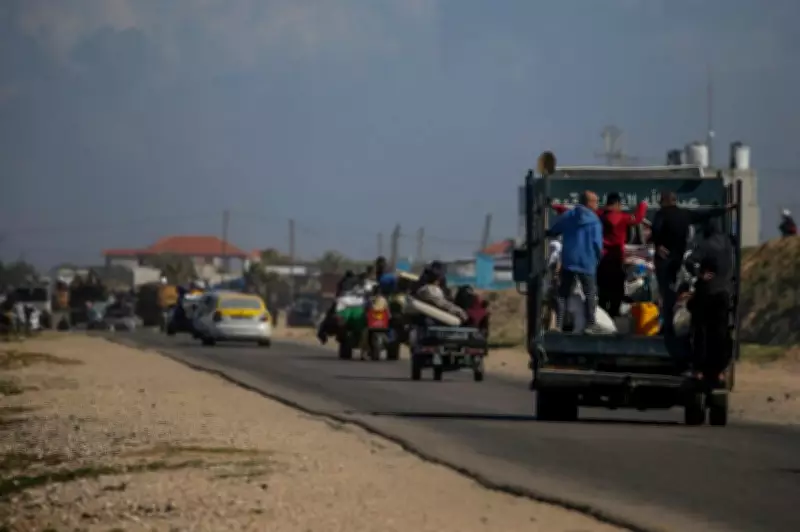
The Rafah border crossing, a critical gateway between Gaza and Egypt, has been reopened to allow the flow of humanitarian aid into the besieged Palestinian territory. This development comes as part of ongoing international efforts to address the dire humanitarian crisis in Gaza, where shortages of food, medicine, and other essentials have been widespread.
Deadly Airstrike Coincides with Reopening
In a tragic turn of events, an Israeli military strike targeted a location in Gaza, resulting in the deaths of at least 30 individuals. The strike occurred around the same time as the reopening of the Rafah crossing, highlighting the volatile and complex nature of the ongoing conflict in the region.
Humanitarian Implications
The reopening of the Rafah crossing is seen as a crucial step in alleviating the suffering of Gaza's civilian population. Aid organizations have been urging for increased access to deliver much-needed supplies, and this move could potentially save lives by allowing more resources to enter the area.

However, the deadly strike underscores the persistent security challenges and the high human cost of the hostilities. It raises questions about the effectiveness of humanitarian pauses when military actions continue to claim civilian lives.
International Reactions
Global leaders and humanitarian groups have expressed deep concern over the situation. There are calls for an immediate ceasefire to prevent further loss of life and to ensure that aid can be delivered safely and without interruption.
The juxtaposition of the crossing's reopening with the fatal strike illustrates the delicate balance between humanitarian needs and military strategies in the conflict. It serves as a stark reminder of the urgent need for a peaceful resolution to end the cycle of violence.