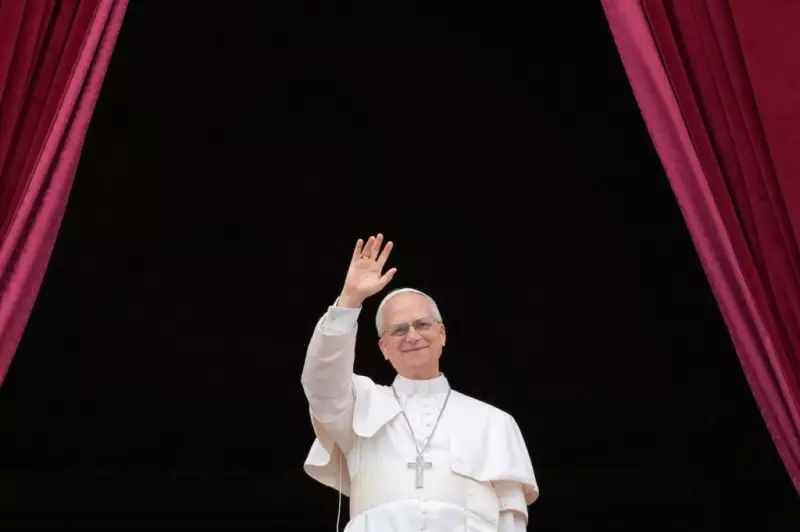
In a significant diplomatic and spiritual mission, Pope Francis has arrived in the Middle East, carrying a powerful message of reconciliation and dialogue for a region scarred by conflict. The Pontiff's visit, which commenced on Monday, December 1, 2025, is seen as a crucial intervention aimed at fostering peace between Israelis and Palestinians.
A Pilgrimage for Peace and Unity
The Pope's itinerary is a carefully crafted journey through lands of profound religious significance and deep political division. His first major address was delivered at a site of immense symbolic weight, where he called for an end to the cycle of violence and retribution that has plagued the Holy Land for generations. Pope Francis emphasised that true peace can only be built on a foundation of mutual recognition, justice, and forgiveness.
Speaking to a diverse audience that included religious leaders, political figures, and local communities, the Pontiff did not shy away from addressing the core issues. He appealed directly to the hearts of both peoples, urging them to see each other not as enemies, but as neighbours with a shared destiny. His words were a poignant reminder of the human cost of the ongoing tensions, highlighting the suffering of families on all sides.

Vatican's Diplomatic Push for Dialogue
This trip represents a major diplomatic undertaking by the Holy See, which has long positioned itself as a neutral advocate for peace in the region. The Vatican's strategy involves leveraging its unique moral authority to create spaces for dialogue that political entities often cannot. The Pope's schedule includes private meetings with key political leaders from both Israel and the Palestinian territories, where he is expected to reinforce his public calls for a return to meaningful negotiations.
Analysts view this visit as a potential catalyst, intended to break the current deadlock and reinvigorate international efforts towards a two-state solution. The Pope's presence alone draws global attention to the stalled peace process, applying gentle but significant pressure on world powers to re-engage. His approach blends spiritual exhortation with pragmatic diplomacy, offering a path forward based on human dignity rather than purely political compromise.
Reactions and the Path Forward
Initial reactions from the region have been cautiously optimistic, with many community leaders welcoming the Pontiff's bold stance. Interfaith groups have particularly praised his emphasis on the common Abrahamic roots shared by Jews, Christians, and Muslims, seeing it as a vital counter-narrative to sectarian division. However, significant challenges remain, with hardliners on both sides sceptical of any external mediation.
The success of Pope Francis's mission may not be measured in immediate political breakthroughs, but in the subtle shifting of hearts and minds. By personally standing in the region and delivering a message of shared humanity, he aims to plant seeds of hope that local actors can nurture. The world will be watching to see if this spiritual pilgrimage can help create the elusive momentum needed for Israelis and Palestinians to walk together towards a more peaceful future.