Grattan Institute Highlights Middle East War as Key Budget Influence
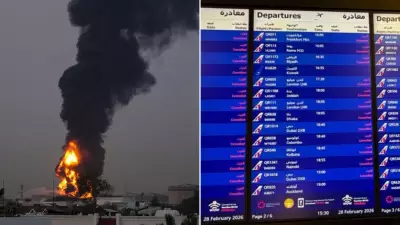
The Grattan Institute has issued a stark warning that the ongoing conflict in the Middle East is set to exert a defining influence on Australia's upcoming federal budget. This analysis underscores how geopolitical tensions are increasingly shaping domestic economic policies and fiscal planning.
Economic Stability Under Pressure
According to the institute, the war in the Middle East is creating significant uncertainties that could destabilise key economic indicators. Factors such as fluctuating oil prices, disrupted global trade routes, and heightened security concerns are directly impacting Australia's economic outlook. The budget must navigate these challenges to maintain stability and support growth.
Policy Decisions in a Volatile Environment
The Grattan Institute emphasises that policymakers face complex decisions in this volatile environment. Budget allocations for defence, foreign aid, and economic resilience are likely to be scrutinised and adjusted in response to the conflict's ripple effects. This includes potential shifts in spending priorities to address both immediate and long-term implications.

Broader Implications for Australia
Beyond the budget, the Middle East war's influence extends to broader national interests, including diplomatic relations and regional security. The institute's report suggests that Australia's strategic positioning and international partnerships will be tested, requiring careful balancing in budget formulations to safeguard national interests.
In summary, the Grattan Institute's analysis positions the Middle East conflict as a pivotal factor that will define the contours of the federal budget, urging proactive measures to mitigate risks and capitalise on opportunities in a rapidly changing global landscape.