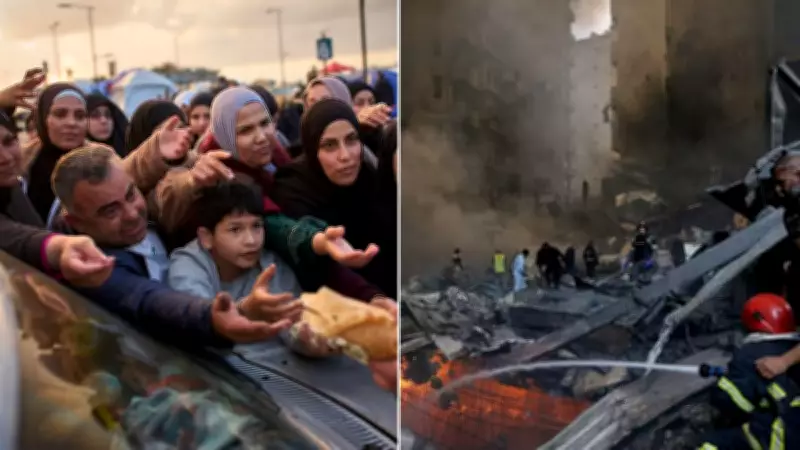
Middle East Conflict Enters Second Month Amid Fragile Ceasefire and Regional Escalation
The war in the Middle East has now reached its second month, with a precarious ceasefire holding as tensions spread to Europe and escalate across the region. This follows devastating air strikes by the United States and Israel against Iran, which resulted in the deaths of Ayatollah Ali Khamenei and several senior leaders. The operation, codenamed Operation Epic Fury, has sent shockwaves through critical global sectors, including shipping, air travel, and oil, leading to rising energy costs and significant business disruption in strategic waterways that serve as vital trade hubs.
Ceasefire Announced in Lebanon Amid Ongoing Tensions
In a key development, the United States has announced a ceasefire in Lebanon, marking a temporary pause in the conflict. US President Donald Trump stated that a 10-day moratorium on hostilities between Israel and Hezbollah will commence at 5pm EST, which translates to 7am AEST. This agreement comes as Iran-backed Hezbollah has pledged to abide by the ceasefire, provided Israel ceases its attacks. Israeli Prime Minister Benjamin Netanyahu has also agreed to the ceasefire but emphasized that the Israeli military will not withdraw from its positions in southern Lebanon during this period.
Netanyahu reportedly agreed to the ceasefire "with certain terms" during a phone call with President Trump. To secure the agreement, US Secretary of State Marco Rubio called Lebanon President Joseph Aoun overnight, followed by Trump himself speaking with Aoun and Netanyahu to finalize the details. Trump described these discussions as "excellent conversations," expressing optimism by stating, "Both sides want to see PEACE, and I believe that will happen, quickly!"

Background and Regional Impact
The conflict with Iran spilled into Lebanon on March 2, when Hezbollah opened fire in support of Tehran, prompting an Israeli offensive in Lebanon. This escalation occurred just 15 months after the last major conflict in the region, highlighting the ongoing volatility. The air strikes and subsequent ceasefire have intensified concerns over regional stability, with effects rippling through global markets and international relations.
As the situation continues to evolve, the fragile ceasefire remains a focal point for diplomatic efforts, with world leaders closely monitoring developments to prevent further escalation and mitigate the widespread economic and humanitarian impacts.