Middle East Conflict Escalates into Second Week with Global Repercussions
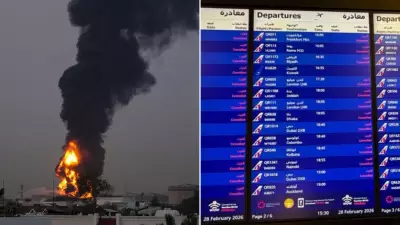
The ongoing war in the Middle East has now entered its second week, with the conflict spreading to Europe and intensifying across the region. This escalation follows a series of coordinated air strikes by the United States and Israel against Iran, which resulted in the deaths of Ayatollah Ali Khamenei and several senior Iranian leaders. The operation, known as Operation Epic Fury, has triggered widespread shock and significant disruptions in key global sectors, including shipping, air travel, and oil markets.
Operation Epic Fury and Its Immediate Impact
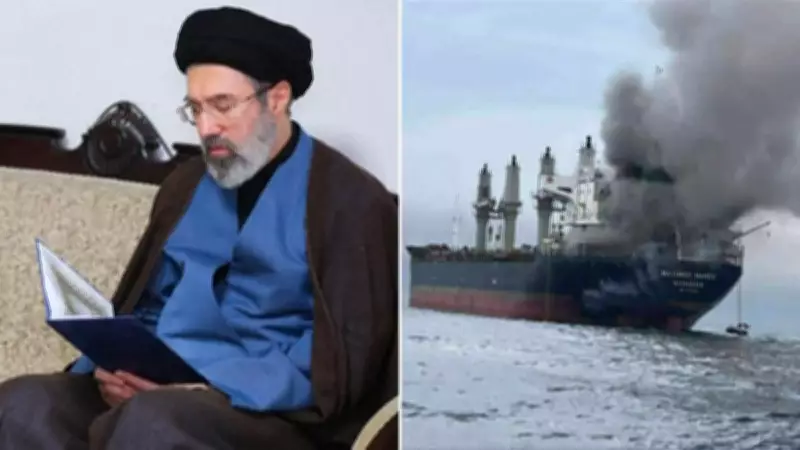
The air strikes have sent shockwaves through international markets, with experts warning of rising energy costs and severe business disruptions. The strategic Strait of Hormuz, a vital global trade hub, is at the center of these concerns. In response to the attacks, Iran's new Supreme Leader, Ayatollah Mojtaba Khamenei, has declared that the Strait of Hormuz will remain closed. This decision threatens to exacerbate the already volatile situation, potentially leading to further economic instability worldwide.
Iran's New Leadership and Vows of Revenge
In a statement broadcast on Iranian state television, Ayatollah Mojtaba Khamenei vowed revenge for the deaths of his father, the former Supreme Leader, and his own wife, both of whom were killed in a Tehran compound at the outset of the war. He also promised to continue attacking Gulf neighbors as long as they host US military bases. Despite his appointment, Khamenei has not been seen in public, nor has his voice been heard, fueling speculation about his condition. Reports suggest he may have been injured during the conflict, with some sources claiming he is in a coma.

Global Implications and Future Outlook
The escalation of the Middle East war into Europe marks a dangerous new phase in the conflict, with potential long-term effects on global security and trade. The closure of the Strait of Hormuz could lead to:
- Increased oil prices and energy shortages
- Disruptions to international shipping routes
- Heightened tensions in the Gulf region
- Broader economic impacts on businesses worldwide
As the situation continues to unfold, the international community is closely monitoring developments, with concerns mounting over the potential for further escalation and its impact on global stability.