Middle East Conflict Escalates to Critical Levels
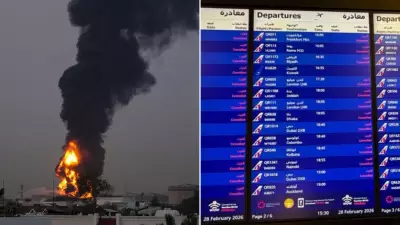
The ongoing war in the Middle East has escalated significantly, with regional tensions reaching a critical point that threatens to destabilize the entire area. Military actions have intensified across multiple fronts, leading to increased casualties and widespread humanitarian concerns. Diplomatic efforts are underway to de-escalate the situation, but progress remains slow as key stakeholders hold firm positions.
Military Actions Intensify Across the Region
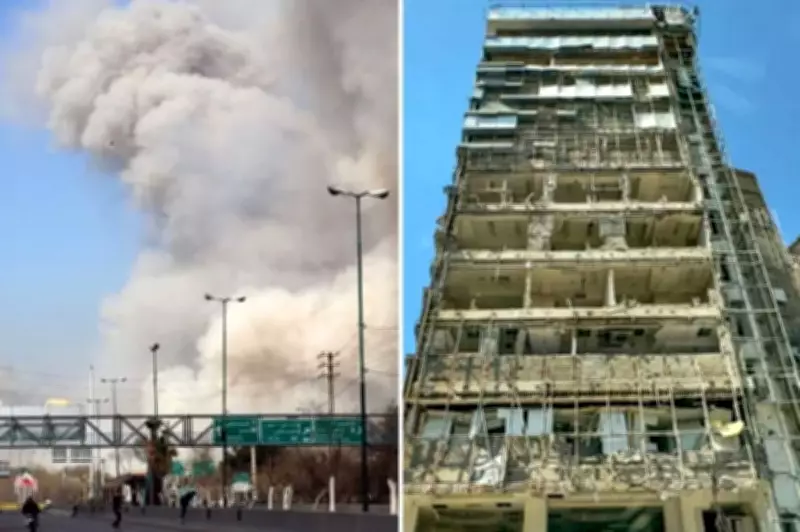
Recent reports indicate a sharp increase in military engagements, with both ground and aerial operations expanding in scope and frequency. Casualty figures have risen substantially, affecting civilians and combatants alike, while infrastructure damage has compounded the humanitarian crisis. The conflict's expansion has drawn in various regional actors, complicating efforts to contain the violence and find a peaceful resolution.
Diplomatic Efforts Face Significant Challenges
International diplomats are working tirelessly to broker a ceasefire, but negotiations have stalled due to deep-seated disagreements among the involved parties. The United Nations and other global organizations have called for immediate de-escalation, emphasizing the urgent need to protect civilian lives and restore stability. However, the complexity of the conflict, with its historical and political dimensions, makes achieving a lasting peace agreement exceptionally difficult.

Humanitarian Impact and Regional Stability
The escalation has had a severe humanitarian impact, with millions of people displaced and essential services disrupted. Key issues include:
- Widespread displacement of populations
- Critical shortages of food, water, and medical supplies
- Damage to vital infrastructure such as hospitals and schools
Regional stability is at risk, as neighboring countries face spillover effects, including refugee flows and economic disruptions. The international community is closely monitoring the situation, with many nations expressing concern over the potential for broader regional instability.
Future Outlook and International Response
Looking ahead, the conflict's trajectory remains uncertain, with analysts warning of further escalation if diplomatic efforts fail. The international response has included:
- Calls for an immediate ceasefire from global leaders
- Humanitarian aid packages to assist affected populations
- Sanctions and diplomatic pressure on key actors
As the situation develops, ongoing coverage will provide updates on military developments, diplomatic initiatives, and humanitarian efforts. The world watches closely, hoping for a swift resolution to prevent further loss of life and regional destabilization.