Middle East Missile Strikes Trigger Global Travel Disruptions and Airline Alerts
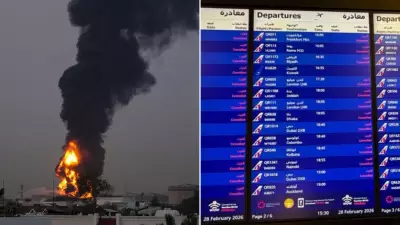
Recent missile strikes in the Middle East have rapidly affected travellers across the globe, prompting urgent safety warnings and significant operational changes for airlines. Even individuals not heading directly to the conflict zone have been advised to take precautionary steps to ensure safety and smooth travel, as key flight connection hubs and Qatari airspace remain closed.
Smartraveller Issues Critical Travel Advisory Amid Escalating Conflict
In a Smartraveller alert released on Monday, the Australian government's travel advisory service highlighted the severe impact of military conflict in the Middle East. "Military conflict in the Middle East has caused widespread airspace closures, flight cancellations and other travel disruptions both in the region and globally," the statement said. Travellers are warned that their plans may be affected regardless of destination, with risks including inability to leave if conflict escalates, sudden flight changes, and road or border closures.
The advisory categorises several countries under a "do not travel" warning, including Bahrain, Beirut, the United Arab Emirates (UAE), Iran, Iraq, Israel, Kuwait, Lebanon, Palestine, Syria, Qatar, and Yemen. Additionally, travellers are urged to "reconsider" their need to visit Oman, Jordan, and Saudi Arabia.

Safety Precautions and Travel Insurance Recommendations
Prioritising safety is the core message in the latest Smartraveller advice, which encourages all travellers to monitor events and follow local authorities' guidance. This involves researching current affairs and travel advice for each destination to assess personal safety. The advisory extends beyond the Middle East, noting that conflict in the region could impact safety and security elsewhere, with risks of reprisal attacks, protests, civil unrest, and increased terrorist threats globally.
Smartraveller also strongly recommends that travellers ensure their travel insurance policies cover cancellations, as disruptions are widespread. According to data from aviation analytics service Cirium, nearly 5000 flights to Middle Eastern destinations were cancelled globally from Saturday to Wednesday, with figures potentially higher due to reporting delays.
Airline Responses and Passenger Guidance
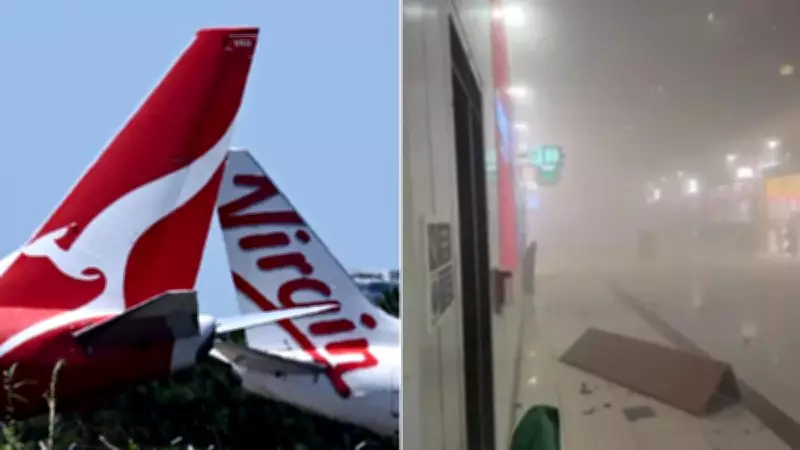
Australian airlines have responded proactively to the crisis, boosting ticket flexibility, adjusting flight paths, and providing detailed advice for passengers. Sydney International Airport advised travellers to check flight statuses ahead of travel, while Qantas reported higher call volumes and urged contact only for imminent travel issues.
Virgin Australia and Qatar Airways: Virgin Australia, which operates services via Qatar Airways, saw multiple flights to Doha returned to Australia and subsequent cancellations. The airline is offering free booking changes, travel credits, or refunds for affected guests through Friday, amid the suspension of all Qatar Airways flights using the Doha transit hub. Qatar Airways awaits clearance from the Qatar Civil Aviation Authority to reopen airspace.
Qantas and Emirates: Qantas does not operate aircraft in Middle Eastern airports, so direct impacts are minimal. However, flight paths over the region are being proactively altered based on security reviews. Partner airline Emirates has cancelled 262 flights to various destinations, including Bahrain and the UAE, following an incident at Dubai International Airport. Qantas is offering extra flexibility for flights to, from, or via the UAE, Qatar, Israel, Jordan, and Oman on Monday and Tuesday, with fee-free refunds, credits, and date changes subject to availability.
Travellers are encouraged to reconfirm flights with airlines or travel agents and visit the Smartraveller website for ongoing updates.