Middle East Fuel Price Surge Threatens Australia's Economic Stability
Skyrocketing fuel prices stemming from escalating events in the Middle East are casting a significant shadow over Australia's economy, with profound implications for inflation and broader financial markets. The widening conflict in the region has triggered supply shocks that are now reverberating through domestic economic indicators, prompting heightened vigilance from policymakers and consumers alike.
Reserve Bank on High Alert for Inflation Impacts
While this week sees a relative lull in the volume of major economic data releases, developments in the Middle East will be watched keenly by the Reserve Bank of Australia for any signs of impact on domestic markets. The central bank's governor, Michele Bullock, has already issued warnings to Australians about the uncertainties surrounding how much these supply shocks will be felt at home.
"The potential implications for inflation expectations are something we are very alert to," Ms Bullock stated. "But at the same time, a prolonged impact on energy markets could have adverse effects on global economic activity and result in downward pressure on inflation."

Petrol Prices Spike Following Regional Strikes
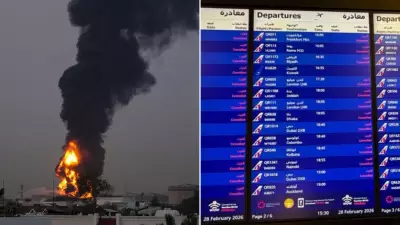
Petrol prices have jumped sharply in Australian capital cities following recent US-Israeli strikes in the Middle East. This surge is compounded by threats from Iran to attack vessels in the Strait of Hormuz, a critical maritime chokepoint through which approximately one-fifth of the world's oil supply passes. The immediate effect has been felt at the pump, with consumers facing higher costs for transportation and goods.
Despite headline inflation remaining steady at 3.8 per cent, underlying inflation—the preferred measure of the Reserve Bank—rose in January to 3.4 per cent. This figure remains well above the bank's target range of two to three per cent, indicating persistent price pressures that could necessitate further monetary policy action.
Interest Rate Hikes Loom as Consumer Confidence Wanes
The inflationary situation has prompted Ms Bullock to declare that the next interest rate decision on March 17 will be "live", raising the prospect of back-to-back hikes in the cash rate. This potential tightening of monetary policy comes as Westpac's consumer confidence data from last month displayed clear signs that shoppers are already easing back on spending in preparation for anticipated rate increases.
The dual pressures of rising fuel costs and potential interest rate hikes are creating a challenging economic environment for Australian households and businesses. As global energy markets remain volatile due to Middle East tensions, the Reserve Bank continues to monitor the situation closely, balancing the risks of inflation against broader economic stability concerns.