Middle East Conflict Escalates to Europe After US-Israel Strikes Kill Iranian Leaders
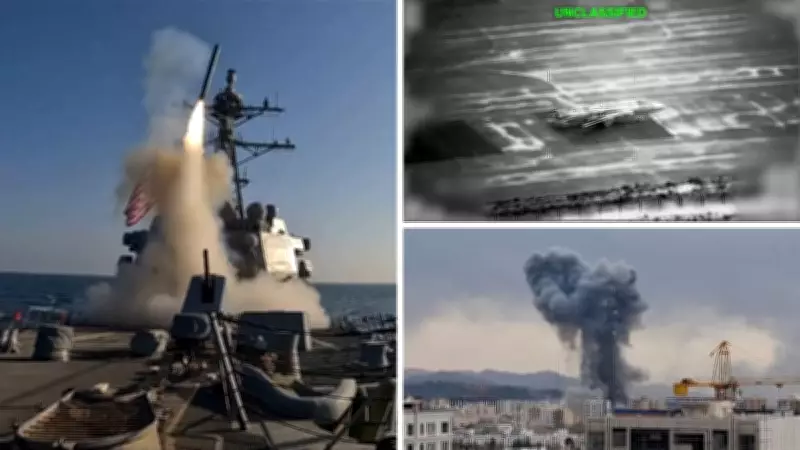
The conflict in the Middle East has rapidly spread to Europe and is intensifying across the region following joint air strikes by the United States and Israel against Iran. These strikes, known as Operation Epic Fury, resulted in the deaths of Ayatollah Ali Khamenei and other senior Iranian leaders, sending shockwaves through global sectors such as shipping, air travel, and oil markets. Warnings are mounting about surging energy costs and significant disruptions to business in the strategic Strait of Hormuz, a vital hub for international trade.
Live Updates on Key Developments
As the situation unfolds, here are the latest critical events from the conflict zone:
- 1 minute ago: Iran's death toll has risen to nearly 800, with casualties including children and teachers from a school attack.
- 8 minutes ago: The United Arab Emirates has opened safe air corridors to evacuate visitors, operating emergency flights.
- 13 minutes ago: US President Donald Trump warned that without the strikes, the world would face nuclear war risks.
- 15 minutes ago: Australian petrol prices could hit three dollars per litre due to oil supply threats.
- 22 minutes ago: Europe has joined the conflict, with the UK, France, and Greece deploying military assets to the region.
Detailed Reporting on Casualties and Evacuations
According to the semi-official Tasnim news agency, at least 787 people have been killed by US and Israeli bombing across Iran, as reported by the Iranian Red Crescent. Among the victims, 168 children and 14 teachers lost their lives in an attack on a girls' elementary school on Saturday. In Lebanon, Israeli strikes on Monday resulted in at least 52 deaths and 154 injuries, according to the Lebanese government. Meanwhile, Israel's emergency services reported at least 10 fatalities and over 200 injuries from the conflict.

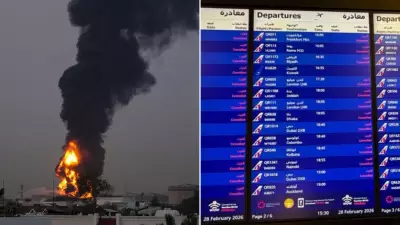
The United Arab Emirates has initiated safe air corridors with neighboring countries to facilitate the evacuation of its citizens and assist visitors in leaving. Economy and Tourism Minister Abdulla bin Touq Al Marri stated that the UAE can operate 48 emergency flights per hour, with plans to increase based on safety assessments. Since Sunday, more than 17,000 passengers have been evacuated on 60 flights, with the next phase aiming for over 80 flights daily to transport more than 27,000 people.
Political and Economic Ramifications
US President Donald Trump, during a meeting with German Chancellor Frederick Merz, declared that the time for diplomacy is over and vowed to escalate the conflict. He claimed to have forced Israel's hand in launching the attacks, contradicting earlier statements from Secretary of State Marco Rubio. Trump expressed surprise at Iran's strikes on neighboring countries and warned that new Iranian leadership could be as dangerous as the previous regime. He labeled Iranians as "mentally ill, sick people with an evil ideology" and asserted that the strikes prevented a nuclear war.
Economically, the conflict is threatening global oil supplies, with Westpac economists predicting that Australian petrol prices could surge to three dollars per litre if Iran blocks the Strait of Hormuz. This vital shipping route carries approximately 20 percent of the world's oil, and oil prices have already jumped from $A102 to $A121 per barrel. Federal Treasurer Jim Chalmers has urged the ACCC to monitor for price gouging, while the RBA Governor warned that the oil shock could significantly impact inflation, affecting transport costs, groceries, and other goods. With Australia having only 36 days of petrol supply remaining, a rate hike is now more likely, adding pressure to household budgets.

European Military Involvement
Europe has abruptly entered the conflict, with the United Kingdom, France, and Greece deploying military capabilities to the region. Britain has announced the dispatch of the warship HMS Dragon to Cyprus, where a British military base was struck by a drone. France and Greece are contributing anti-drone technology, helicopters, and jets. Trump criticized the UK for not allowing the US to use its Diego Garcia airbase, expressing disappointment and comparing the current leadership unfavorably to Winston Churchill.
This escalation underscores the global implications of the Middle East conflict, with immediate effects on trade, energy, and international relations. Stay tuned for further updates as the situation develops.