Israel and US on High Alert as Iran Conflict Escalates
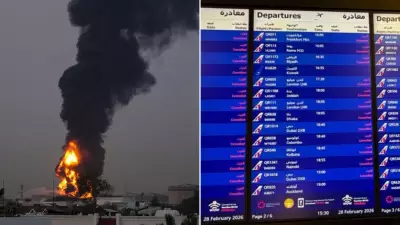
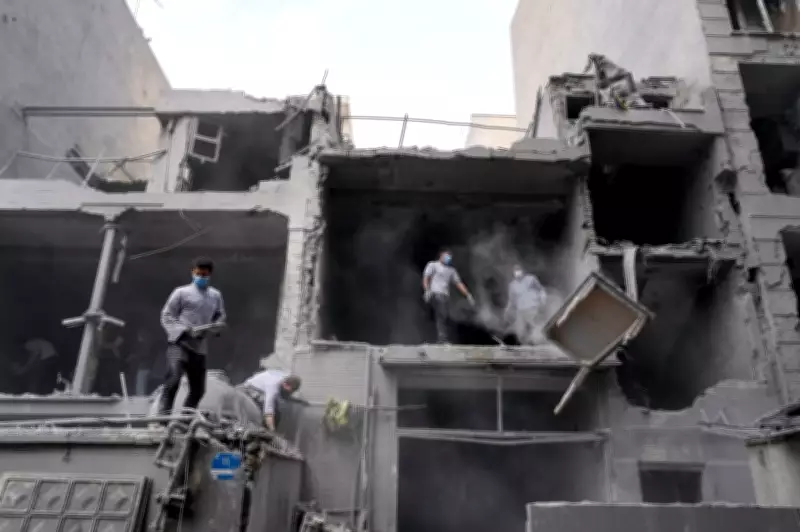
The geopolitical landscape in the Middle East has become increasingly volatile, with Israel and the United States placing their military forces on high alert in response to aggressive actions from Iran. This development follows a series of recent incidents that have intensified longstanding hostilities, sparking concerns among international observers about the potential for a full-scale regional war.
Recent Military Movements and Diplomatic Tensions
According to reports, Iran has conducted missile tests and deployed additional troops near strategic borders, actions that have been interpreted as provocations by Israeli and American officials. In retaliation, Israel has bolstered its air defense systems and conducted covert operations aimed at disrupting Iranian-backed militias in neighboring countries. The United States, a key ally of Israel, has reinforced its naval presence in the Persian Gulf and issued stern warnings to Tehran, emphasizing that any attack on American interests or allies will be met with a decisive response.
Diplomatic efforts to de-escalate the situation have so far yielded little progress, with negotiations stalling over Iran's nuclear program and its support for proxy groups across the region. The United Nations has called for restraint, but analysts note that the lack of a viable diplomatic pathway increases the risk of miscalculation and unintended conflict.

Regional and Global Implications
The escalating tensions have far-reaching consequences, not only for the Middle East but also for global stability. Key stakeholders, including European nations and Russia, are closely monitoring the situation, with some expressing alarm over the potential for a broader war that could disrupt oil supplies and trigger a humanitarian crisis. In Israel, citizens are preparing for possible missile attacks, while in Iran, economic sanctions have exacerbated public discontent, adding another layer of complexity to the crisis.
Experts warn that if hostilities escalate further, it could lead to a protracted conflict involving multiple state and non-state actors, destabilizing an already fragile region. The involvement of the United States, with its extensive military capabilities, raises the stakes significantly, making this one of the most critical flashpoints in recent years.
Historical Context and Future Outlook
This latest flare-up is rooted in decades of animosity between Iran and Israel, exacerbated by Iran's nuclear ambitions and its support for groups like Hezbollah and Hamas. The United States has historically backed Israel, while also engaging in a complex relationship with Iran that has swung between confrontation and diplomacy. As the situation evolves, the international community is urging all parties to prioritize dialogue and avoid actions that could spiral into an uncontrollable war.
In the coming weeks, the focus will likely remain on military posturing and diplomatic maneuvers, with the hope that cooler heads will prevail to prevent a catastrophic outcome. However, given the high tensions and deep-seated grievances, the risk of conflict remains alarmingly high, underscoring the urgent need for a peaceful resolution.