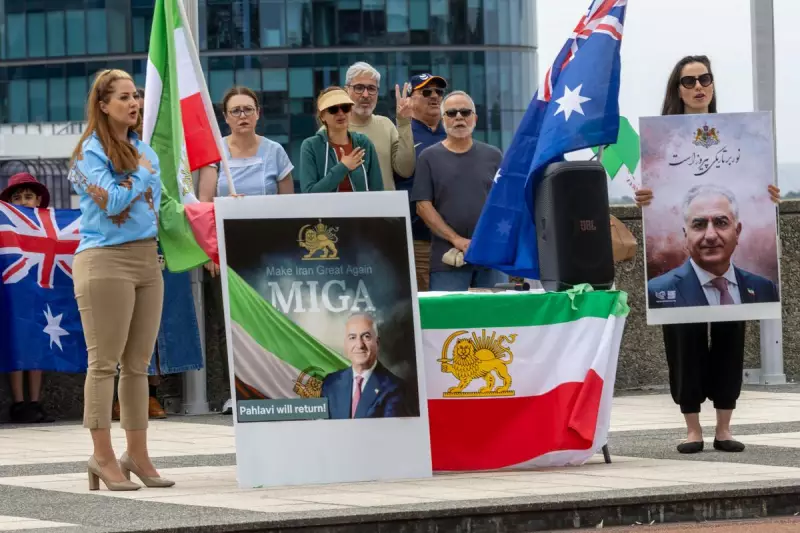
Foreign policy specialists are issuing a stark warning about the future of Iran's protest movement, suggesting its success may hinge on the political fortunes of one man: former US President Donald Trump.
The Critical Role of US Leadership
According to analysts, the protest movement ignited by the death of Mahsa Amini in September 2022 faces significant hurdles without a dramatic shift in international pressure. Experts point to the upcoming US presidential election in November 2024 as a potential turning point. They argue that a return of Donald Trump to the White House could provide the external catalyst the movement desperately needs.
Dr. Aiden Warren, a senior international relations expert at RMIT University, emphasised the current administration's approach. "The Biden administration has attempted a strategy of engagement and de-escalation," he stated. "While aimed at preventing nuclear proliferation, this has not translated into tangible support for the Iranian people's democratic aspirations."

A Contrast in Foreign Policy Approaches
The analysis highlights the stark contrast between the two potential American leaders. The Trump administration's policy was defined by maximum pressure, including the withdrawal from the nuclear deal and imposing severe sanctions. In contrast, President Joe Biden has sought a path of diplomatic negotiation.
Professor Emily Jones from the Australian National University's Strategic and Defence Studies Centre explained the dilemma. "The regime in Tehran has proven resilient to internal dissent when it perceives no existential external threat. The 'maximum pressure' campaign under Trump, for all its controversies, created profound economic and political strain that the current protests could exploit."
Key factors cited by experts include:
- The re-imposition of crippling economic sanctions that weaken the regime's financial grip.
- A more confrontational rhetorical stance that emboldens opposition voices.
- A reduced willingness to negotiate, removing a key legitimacy pillar for the current government.
The Stakes for Iran and the World
The ongoing protest movement, often referred to as the 'Woman, Life, Freedom' revolution, represents the most sustained challenge to Iran's theocratic rule in decades. Despite brutal crackdowns involving thousands of arrests and hundreds of deaths, public discontent continues to simmer.
Australian observers note that the movement's success or failure carries implications far beyond Iran's borders, affecting:
- Regional stability in the Middle East.
- Global energy markets and security.
- The worldwide struggle for human rights and gender equality.
However, experts also caution that pinning the hopes of a nation's democratic future solely on a foreign leader is a precarious strategy. Internal unity, leadership within the opposition, and the resilience of civil society remain paramount.
The final verdict, according to the analysis, may be delivered at the ballot box in the United States. The outcome of the November election could determine whether Washington returns to a posture of intense confrontation or continues its pursuit of a diplomatic settlement, with profound consequences for the fate of Iran's latest revolution.