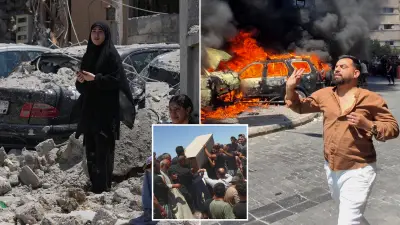
Iran remains in a state of high tension following the funeral of the late Ayatollah, as grievances against the United States have escalated sharply. The atmosphere across the country is charged, with mourners and protesters alike expressing anger over perceived US interference and economic sanctions.
Massive Turnout at Funeral
The funeral procession drew millions of Iranians to the streets, according to state media reports. The event was marked by emotional outpourings of grief and political slogans condemning the US. Security forces were deployed in large numbers to maintain order, but reports indicate scattered clashes between protesters and police.
Analysts describe the funeral as a catalyst for renewed anti-US sentiment. "The scale of the turnout shows the deep connection between the people and the clerical leadership," said Dr. Ali Rezaei, a political analyst at Tehran University. "But it also reflects a collective anger at external pressure."

Escalation of Grievances
In the days following the funeral, Iranian officials have intensified their rhetoric against the US. The foreign ministry issued a statement accusing Washington of "hostile actions" and calling for an end to sanctions. Meanwhile, hardline factions have called for a review of the 2015 nuclear deal, which they argue has failed to deliver economic relief.
The US has responded by reiterating its commitment to a diplomatic path but warning against any provocations. A State Department spokesperson said, "We urge all parties to exercise restraint and avoid actions that could escalate tensions further."
Economic Impact and Public Sentiment
The ongoing standoff continues to weigh on Iran's economy. The rial has weakened further against the dollar, and inflation remains high, with basic goods becoming increasingly unaffordable for many Iranians. Public frustration is palpable, with many blaming both US sanctions and domestic mismanagement.
"People are struggling to make ends meet," said Maryam, a shopkeeper in Tehran. "The funeral showed how united we are in grief, but we need solutions for our daily problems."
International Reactions
Regional powers are watching the situation closely. Saudi Arabia and the UAE have expressed concern over potential instability, while Russia and China have called for de-escalation and dialogue. The European Union has urged both sides to return to negotiations.
UN Secretary-General António Guterres issued a statement expressing concern over the heightened tensions and calling for "maximum restraint." He emphasized the need for a diplomatic solution to prevent further suffering.
Outlook
The coming weeks are critical as Iran's new leadership consolidates power and decides on its approach to the US. Hardliners may push for a more confrontational stance, while moderates advocate for engagement. The outcome will shape not only Iran's future but also stability in the Middle East.