Australia to Deploy Spy Plane and Missiles to Middle East in Strategic Defence Move
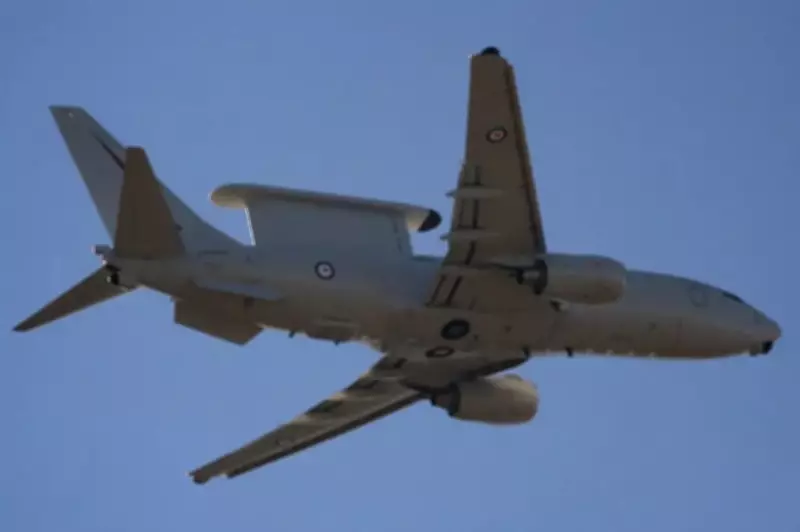
The Australian government has confirmed plans to send a P-8A Poseidon spy plane and a shipment of advanced missiles to the Middle East, marking a significant escalation in the nation's military involvement in the region. This deployment, announced today, aims to bolster regional security and enhance intelligence-gathering capabilities amid ongoing geopolitical tensions.
Details of the Deployment
The P-8A Poseidon, a state-of-the-art maritime patrol aircraft, will be dispatched to conduct surveillance and reconnaissance missions over key areas in the Middle East. Additionally, Australia will supply a consignment of sophisticated missiles, including air-to-surface and surface-to-air variants, to support allied forces and deter potential threats. Officials stated that this move is part of a broader strategy to contribute to international stability and protect Australian interests abroad.
Strategic Implications and Government Response
Prime Minister Anthony Albanese emphasized that the deployment is a proactive measure to address security challenges in the Middle East, such as terrorism and regional conflicts. "This decision underscores Australia's commitment to global peace and our role as a reliable partner in defence cooperation," he said. The move has received bipartisan support in Parliament, with opposition leaders praising the government for taking decisive action to safeguard national security.

Defence analysts note that the P-8A Poseidon's advanced sensors and communication systems will provide real-time intelligence, while the missiles will enhance the defensive capabilities of allied nations. This deployment is expected to strengthen Australia's diplomatic ties with key partners in the region, including the United States and Gulf states.
Timeline and Logistics
The spy plane and missiles are scheduled to depart from Australian bases within the next month, with logistical support coordinated through existing defence agreements. The Australian Defence Force will oversee the operation, ensuring compliance with international laws and protocols. Officials have assured that the deployment will be conducted with minimal disruption to domestic military operations.
This announcement comes amid rising concerns about security in the Middle East, following recent incidents of instability. By contributing advanced assets, Australia aims to play a more active role in regional security frameworks, aligning with its long-term defence strategy outlined in recent policy documents.