First US Troops Killed as Israel Launches Second Strike on Tehran
In a dramatic and tragic escalation of hostilities in the Middle East, the first American military personnel have been confirmed killed after Israel executed another targeted strike on Tehran. This second attack on the Iranian capital within a short timeframe marks a severe intensification of the ongoing conflict, with immediate and grave consequences for international stability and diplomatic relations.
Details of the Attack and Casualties
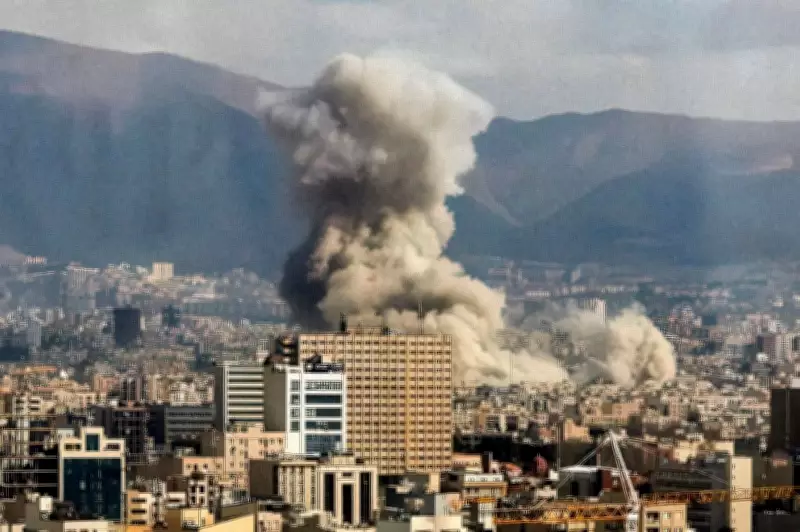
The strike, which occurred in the early hours of the morning local time, targeted key infrastructure and military installations in Tehran. While Israeli officials have not released specific operational details, sources indicate that the assault involved precision-guided munitions aimed at disrupting Iran's defensive capabilities and strategic assets. Tragically, among the casualties were several US troops who were stationed in the region as part of a broader coalition effort, marking the first such fatalities for American forces in this conflict.
The loss of US personnel has sent shockwaves through diplomatic channels, with Washington expected to issue a stern response. Initial reports suggest that the troops were engaged in advisory and support roles, highlighting the complex and intertwined nature of military operations in the area. Emergency response teams are currently assessing the full extent of the damage and casualties, with fears that the toll may rise as more information becomes available.

Regional and Global Implications
This renewed aggression by Israel follows a previous strike on Tehran just days ago, indicating a deliberate strategy to apply sustained pressure on Iranian leadership. The conflict has already strained relations between Israel and its allies, including the United States, which has historically provided significant military and political support. The killing of US troops is likely to complicate these alliances further, potentially leading to calls for reevaluation of engagement policies and increased scrutiny of military cooperation.
Regional powers, including Saudi Arabia and Turkey, have expressed deep concern over the escalating violence, warning of the risk of a wider war that could destabilize the entire Middle East. International organizations, such as the United Nations, are urging an immediate ceasefire and a return to diplomatic negotiations, but with tensions running high, the prospects for peace appear increasingly dim.
Historical Context and Future Outlook
The current conflict traces its roots to longstanding geopolitical rivalries and recent provocations, including Iran's support for proxy groups and its nuclear ambitions. Israel's actions are viewed by some analysts as a preemptive measure to curb Iranian influence, but the high cost in human lives, including those of US service members, raises ethical and strategic questions about the approach.
Looking ahead, the international community faces a critical juncture. Key stakeholders must navigate a delicate balance between supporting allies and preventing further loss of life. The incident underscores the volatile nature of modern warfare, where localized conflicts can quickly draw in global actors with devastating consequences. As investigations continue and responses are formulated, the world watches anxiously, hoping for de-escalation but preparing for the possibility of more violence.