US and Israel Clash with Iran at Emergency UN Security Council Meeting
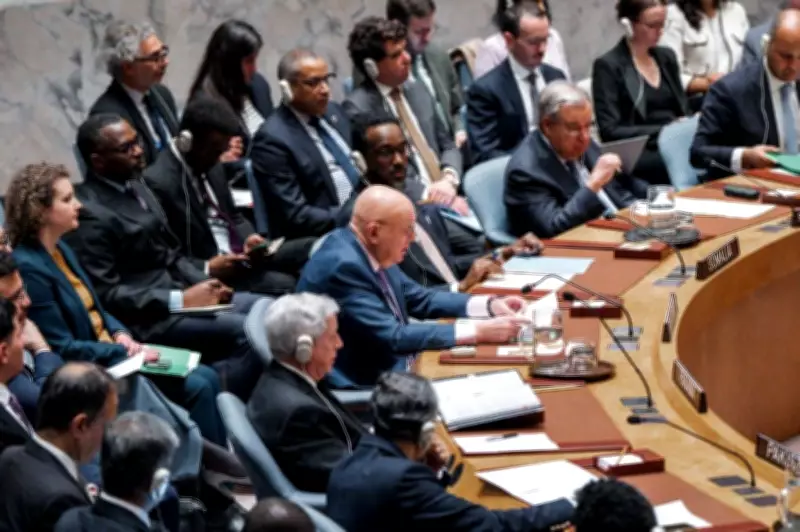
In a dramatic escalation of diplomatic tensions, the United States and Israel have confronted Iran during an emergency session of the United Nations Security Council. The meeting, convened urgently to address growing regional instability, saw sharp exchanges as both nations accused Iran of engaging in destabilizing activities that threaten international peace and security.
Accusations and Counterclaims at the UN
The US delegation, led by Ambassador Linda Thomas-Greenfield, presented evidence alleging Iran's involvement in recent conflicts and its support for proxy groups across the Middle East. She emphasized that Iran's actions, including alleged weapons transfers and cyberattacks, violate multiple UN resolutions and undermine global efforts towards de-escalation. "Iran's behavior is not only reckless but poses a direct threat to our allies and the international community," Thomas-Greenfield stated, calling for immediate accountability and stricter sanctions.
Israel's representative, Ambassador Gilad Erdan, echoed these concerns, highlighting specific incidents where Iranian-backed militias have targeted Israeli interests. He argued that Iran's nuclear program and regional ambitions are central to the ongoing volatility, urging the Security Council to take decisive action. "We cannot stand by while Iran continues to fuel terrorism and aggression. The world must unite to stop this menace," Erdan declared, presenting satellite imagery and intelligence reports to support his claims.

Iran's Firm Rejection and Defense
In response, Iran's Ambassador to the UN, Amir Saeid Iravani, vehemently denied all allegations, labeling them as "fabricated and politically motivated." He accused the US and Israel of hypocrisy, pointing to their own military interventions and human rights records as sources of regional instability. "These baseless accusations are a distraction from the real issues, such as the occupation of Palestinian lands and the unlawful sanctions imposed on our nation," Iravani asserted, calling for an end to what he described as Western double standards.
Iravani further defended Iran's nuclear activities as peaceful and in full compliance with international agreements, including the Joint Comprehensive Plan of Action (JCPOA). He urged the Security Council to focus on diplomatic solutions rather than confrontational rhetoric, emphasizing Iran's willingness to engage in dialogue if sanctions are lifted and mutual respect is restored.
International Reactions and Broader Implications
The emergency meeting has drawn widespread attention from other UN member states, with many expressing concern over the potential for further escalation. Several European countries, while critical of Iran's actions, called for restraint and renewed diplomatic efforts to avoid a full-blown crisis. Russia and China, meanwhile, voiced support for Iran's right to self-defense and criticized what they termed as "unilateral pressure" from the US and its allies.
Experts warn that this clash at the UN could have significant repercussions for global security, particularly in the Middle East. The stalemate highlights deep divisions within the international community and raises questions about the effectiveness of the Security Council in managing such disputes. As tensions simmer, observers note that the outcome of this meeting may influence future policy decisions, including potential military or economic measures.
In conclusion, the emergency UN session has underscored the fragile state of international relations, with the US and Israel firmly opposing Iran's actions. While diplomatic channels remain open, the sharp rhetoric and lack of consensus suggest that resolving these issues will require sustained effort and compromise from all parties involved. The world watches closely as developments unfold, hoping for a peaceful resolution to prevent further instability.