Search Underway for Missing Crew After Thai Cargo Ship Attacked in Strait of Hormuz
Thai officials have confirmed that a search operation is actively underway for three missing crew members following an attack on a Thai cargo vessel in the strategically vital Strait of Hormuz. The incident occurred as Iran continues to impose restrictions on oil exports through the region, heightening maritime tensions.
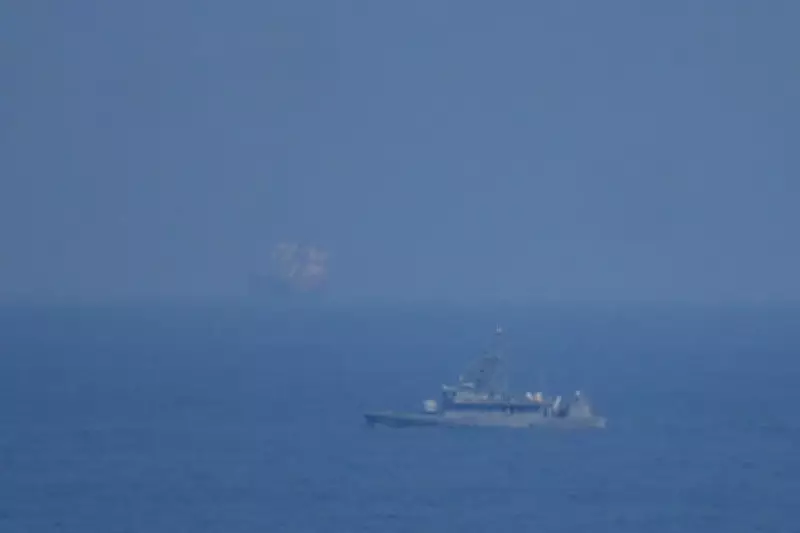
The vessel, identified as the Mayuree Naree, was struck by a projectile, resulting in an explosion and fire that engulfed the ship. According to Thailand's Marine Department, 20 crew members have already been rescued by the Omani navy and safely brought ashore in the city of Khasab, Oman. However, the three missing individuals were reportedly stationed in the engine room at the time of the explosion, raising concerns about their safety.
Details of the Maritime Incident
The United Kingdom Maritime Trade Operations (UKMTO) centre, managed by the British military, reported that the attack took place just north of Oman in the strait. As the ship was navigating through the waterway, an explosion occurred at the stern, triggering a fire in the engine room. Upon the captain's order, the crew abandoned ship and evacuated to lifeboats before being rescued by Omani naval forces.

In response to the crisis, the Thai Marine Department is coordinating with both domestic and international agencies to support the search and rescue efforts and provide assistance to the affected crew members. This incident is part of a broader pattern of maritime disruptions in the area, with the Mayuree Naree being one of three vessels struck by projectiles near the key shipping lane on Wednesday morning.
Broader Regional Context and Additional Attacks
Further escalating the situation, the UKMTO also reported that a bulk carrier was hit by a projectile approximately 50 nautical miles northwest of Dubai, near the Strait of Hormuz. Fortunately, the crew of that vessel remained safe, and there was no reported environmental impact from the attack.
Additionally, another cargo ship caught fire and was evacuated about 11 nautical miles north of Oman's Musandam Peninsula after being struck, while a separate cargo vessel off the coast of the United Arab Emirates sustained damage earlier on Wednesday. Since the onset of recent conflicts, a UKMTO advisory notice indicates that 13 vessels have been attacked in the region.
The American military has disclosed that it destroyed 16 minelayers in the Strait of Hormuz, although former President Donald Trump stated in social media posts that there were no reports of Iran planting explosives in the area. This strait is critically important, handling around 20 percent of the world's oil shipments, making any disruption a significant global concern.
Political Developments in Iran
Amidst these maritime tensions, speculation regarding the safety of Iran's new supreme leader, Mojtaba Khamenei, has been addressed. The son of Iranian President Masoud Pezeshkian confirmed that Khamenei is safe, quashing rumors of injury. Khamenei, who succeeded his father Ayatollah Ali Khamenei after his death, has not been seen publicly since his appointment, leading to widespread speculation.
Reports suggest that Israel targeted Mojtaba Khamenei last week, with Israeli sources indicating he was only injured in the attempt. In the aftermath of his induction, Iranian state media has utilized archival footage and AI-generated content to portray the new leader, while public displays in Tehran highlight the hereditary succession, contrasting with the nation's revolutionary origins.
This complex scenario underscores the ongoing volatility in the Strait of Hormuz, where geopolitical conflicts continue to threaten maritime security and global oil supplies.