Pentagon Deploys Paratroopers to Iran in Major Military Escalation
The United States Department of Defense, commonly known as the Pentagon, has initiated a substantial military deployment by sending paratroopers to Iran. This move marks a significant escalation in the already tense relations between the two nations, raising concerns about potential conflicts in the Middle East.
Details of the Deployment
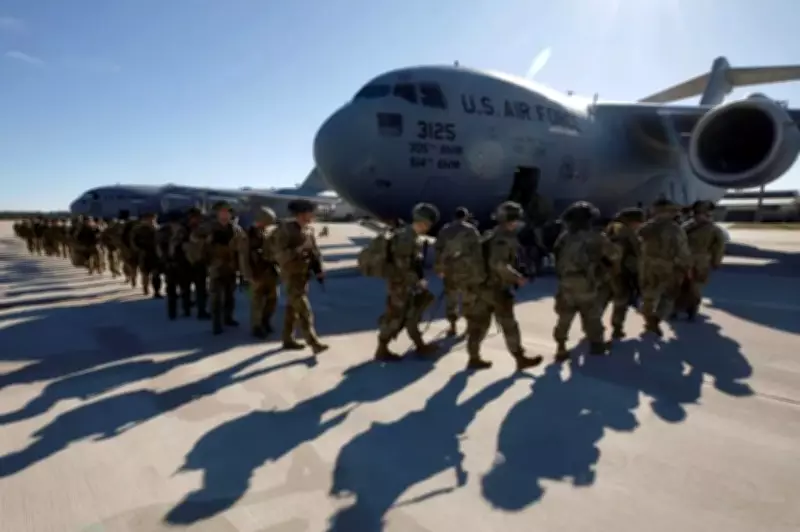
According to official sources, the deployment involves a contingent of highly trained paratroopers from the U.S. Army. These troops are being positioned in strategic locations within Iran, though specific numbers and exact locations have not been disclosed for operational security reasons. The Pentagon has stated that this action is part of a broader strategy to address emerging threats and ensure regional stability.
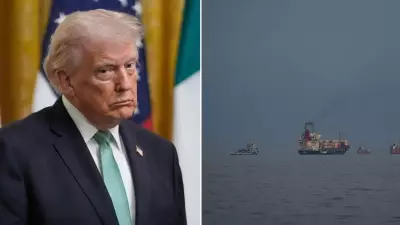
The decision to deploy paratroopers comes amid a backdrop of increasing diplomatic friction and military posturing. In recent months, there have been several incidents, including naval confrontations and cyber attacks, that have strained U.S.-Iran relations. This deployment is seen as a direct response to these developments, aimed at deterring further aggression.

Regional and Global Implications
The presence of U.S. paratroopers in Iran is expected to have far-reaching consequences. Regional allies and adversaries are closely monitoring the situation, with some expressing support for the move while others condemn it as provocative. The deployment could potentially lead to heightened military activities in the area, affecting global oil markets and international security.
Experts warn that this escalation might trigger a chain reaction, prompting other nations to bolster their military presence in the region. There are also concerns about the impact on ongoing diplomatic efforts, such as nuclear negotiations, which could be jeopardized by the increased military tension.
Pentagon's Justification and Future Plans
In a press briefing, Pentagon officials emphasized that the deployment is defensive in nature, designed to protect U.S. interests and allies. They highlighted the need for a robust military posture to counter what they describe as Iran's destabilizing activities in the region. The officials did not rule out further deployments or military actions if the situation deteriorates.
Looking ahead, the Pentagon is coordinating with international partners to manage the fallout from this deployment. There are plans for joint exercises and intelligence-sharing initiatives to enhance regional security. However, the long-term strategy remains fluid, dependent on Iran's response and broader geopolitical shifts.
This development underscores the volatile nature of U.S.-Iran relations and the complex challenges facing global diplomacy. As the situation evolves, stakeholders are urging for restraint and dialogue to prevent an all-out conflict.