Mojtaba Khamenei Elected as Iran's Third Supreme Leader During Ongoing Conflict
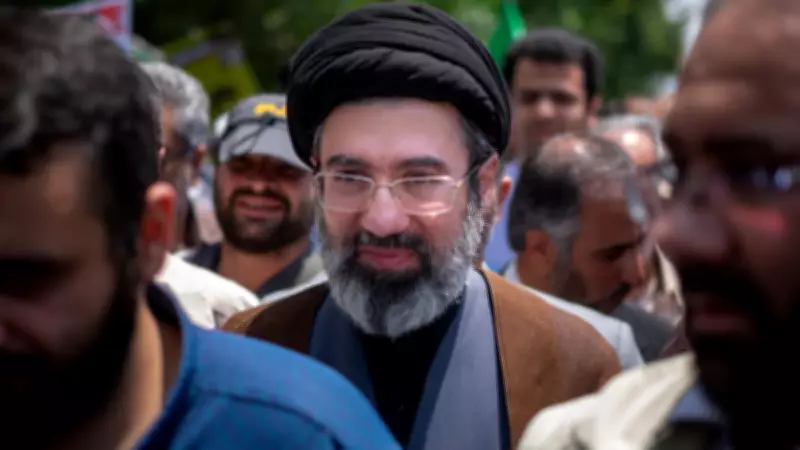
In a significant development amid escalating tensions, Mojtaba Hosseini Khamenei, the 56-year-old second eldest son of the late Ali Khamenei, has been officially selected as Iran's new supreme leader. This decision was made by the 88-member Assembly of Experts, a key religious body responsible for appointing the country's highest authority. State-run media confirmed Mojtaba's selection on Monday morning, marking a pivotal moment in Iranian politics as the nation grapples with a brutal war involving Israel and the United States.
Succession and Legacy in a Time of Crisis
Mojtaba Khamenei now becomes the third supreme leader in Iran's history, following his father, Ali Khamenei, who ruled for over 36 years, and Ruhollah Musavi Khomeini, the founder of the Islamic Republic. Ali Khamenei's tenure was characterized by severe repression of dissent, including violent crackdowns on protests that resulted in thousands of deaths. His rule ended tragically when he was killed in an airstrike that destroyed his compound during the initial wave of attacks on Iran. The bombing also claimed the lives of Mojtaba's wife, Zahra Haddad Adel, Ali's eldest daughter, Khoda Kamenei, her husband, Mesbah-ol-Khoda Bagheri Qani, and their son, according to Iranian state media reports.
Profile of the New Leader: From Shadowy Figure to Supreme Authority
Described by Britannica as Ali Khamenei's "shadowy son," Mojtaba was born on September 8, 1969, in Mashad, Iran. He witnessed his father's influential role in the Iranian Revolution during the 1970s, which overthrew the Shah. After completing secondary school in 1987, he joined the Islamic Revolutionary Guard Corps (IRGC), a paramilitary force his father had closely aligned with during his presidency. When Ali Khamenei ascended to the supreme leadership in 1989, Mojtaba shifted his focus to religious education, studying under conservative Shi'i Muslim clerics.

Leveraging his connections with both the IRGC and top clerics, Mojtaba quickly rose as a powerful broker within his father's office. He is alleged to have manipulated presidential elections to favor certain candidates and orchestrated harsh crackdowns on protesters. His background has fueled speculation about his grooming for the supreme leader role, despite public opposition, such as chants of "Mojtaba, may you die and not become the leader" during protests in 2022.
International Scrutiny and Domestic Challenges
The United States imposed extensive sanctions on Mojtaba in 2019 for his close ties to the Quds Force, which trains and funds terrorist groups like Hezbollah, Hamas, and the Taliban. Despite these sanctions, reports from Bloomberg suggest he controls a vast fund with high-value properties worldwide and holdings in sectors such as shipping, banking, and hospitality in Europe. His selection has sparked immediate backlash, with chants of "death to Mojtaba" reported in Tehran by Iran International, highlighting deep-seated public discontent.
Concerns are mounting over the potential influence of the IRGC under Mojtaba's rule, exacerbated by his rigid religious ideology and history of violent responses. Additionally, the recent deaths of his family members in the airstrike could shape his approach to retaliatory actions against Israel, the US, and their allies, as well as other nations in the Persian Gulf region. As Iran navigates this wartime leadership transition, the global community watches closely for implications on regional stability and international relations.