Massive Explosion Strikes Tehran Amid US-Israel Military Action
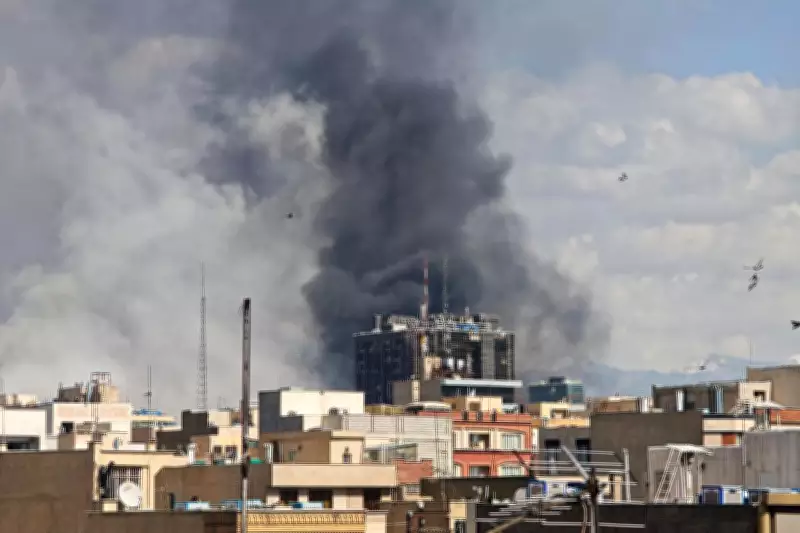
A massive explosion rocked Iran's capital, Tehran, on Sunday, as the Israeli military confirmed it was conducting strikes on targets in central Tehran. This development follows a joint US-Israel attack on Iran the previous day, which resulted in the assassination of Supreme Leader Ayatollah Ali Khamenei, throwing the future of the Islamic Republic into uncertainty and significantly raising the risk of regional instability.
Death of Ayatollah Khamenei Announced
Iranian state television and the state-run IRNA news agency officially announced the death of the 86-year-old leader early Sunday. US President Donald Trump had declared his death hours earlier, stating it provided Iranians with their "greatest chance" to "take back" their country. The joint US-Israel operation, which officials indicated had been planned for months, came after unsuccessful negotiations regarding Iran's nuclear program and repeated warnings from Trump.
Iran's Response and Regional Fallout
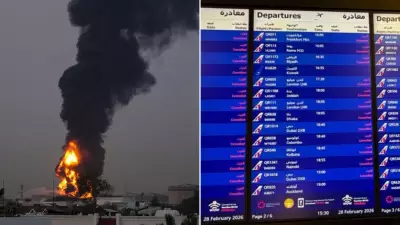
In retaliation, Iran launched missiles and drones toward Israel and targeted US military installations across the region. Several Gulf nations, including Qatar and Bahrain—countries less accustomed to such violence—were also impacted by these attacks. Meanwhile, Iran is moving swiftly to address the power vacuum created by the assassination, with a leadership meeting scheduled for Sunday to initiate the process of appointing a new supreme leader.

National Security Adviser Ali Larajani has announced he will convene this critical meeting as the nation grapples with the sudden loss of its leader. The Ayatollah's 56-year-old son has emerged as a potential successor after surviving the deadly attack, which claimed the lives of several family members. Israeli sources confirmed that the Ayatollah's daughter, along with her child, as well as his daughter-in-law and son-in-law, were killed in the strike.
Uncertain Future and Protests in Pakistan
The question of who will ultimately rule Iran and the state of the country by the time a decision is made remains highly uncertain, with the situation continuing to evolve rapidly. In other developments late Sunday AEDT, violent clashes erupted in Karachi, Pakistan, where at least nine people were killed and about two dozen wounded after hundreds of protesters stormed the US Consulate.
Police and hospital officials in Karachi reported that at least 25 people were injured, with some in critical condition. Summaiya Syed Tariq, a police surgeon at the city's main government hospital, confirmed that initially six bodies and multiple injured individuals were brought to the facility, with the death toll rising to nine after three critically wounded succumbed to their injuries.
The US Embassy in Pakistan stated on social media platform X that it was monitoring reports of ongoing demonstrations at the US Consulates General in Karachi and Lahore, as well as calls for additional protests at the US Embassy in Islamabad and the Consulate General in Peshawar. This incident underscores the broader regional tensions and instability triggered by the events in Iran.