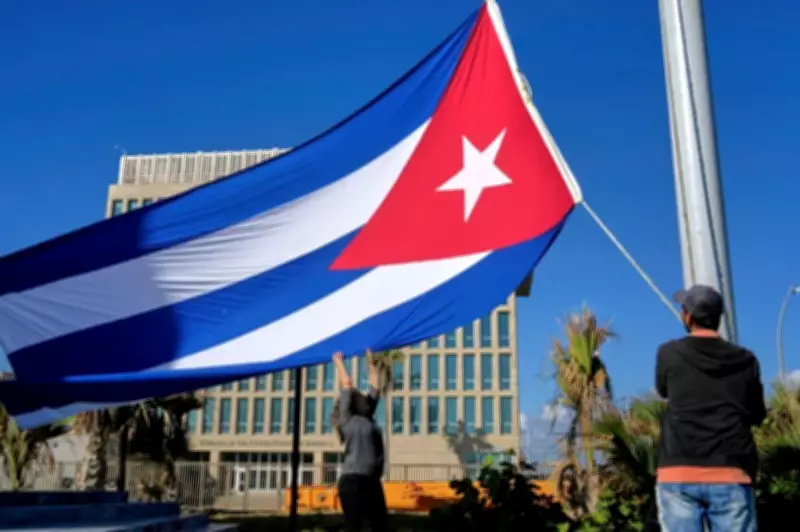
Cuba is grappling with a nationwide electricity crisis as its entire power grid has collapsed, leaving the country in darkness and severely impacting daily life. The catastrophic failure, which occurred on March 17, 2026, is directly linked to a critical fuel shortage exacerbated by an ongoing oil blockade imposed by the United States.
Root Causes of the Grid Failure
The collapse stems from Cuba's heavy reliance on imported oil, primarily from Venezuela, to fuel its aging power plants. With the US embargo tightening restrictions on oil shipments, Cuba has faced mounting difficulties in securing sufficient fuel supplies. This shortage has forced power plants to operate at reduced capacity or shut down entirely, leading to widespread blackouts that culminated in the total grid failure.
Immediate Impacts on Cuban Society
The power outage has had devastating consequences across the island. Hospitals are struggling to maintain critical care without reliable electricity, while water pumping stations have ceased operation, threatening public health. Transportation systems, including buses and trains, have ground to a halt, and communication networks are severely disrupted, isolating communities and hindering emergency responses.

Economic activities have also been paralyzed, with businesses forced to close and agricultural production hampered by the lack of irrigation and refrigeration. The Cuban government has declared a state of emergency, urging citizens to conserve resources and stay indoors as authorities work to restore power.
International Reactions and Humanitarian Concerns
The international community has expressed alarm over the crisis, with human rights organizations warning of a potential humanitarian disaster. Critics of the US embargo argue that it has directly contributed to the grid collapse by strangling Cuba's access to essential fuels, calling for immediate relief measures.
In response, the US State Department has reiterated its stance on the embargo, citing political disagreements with the Cuban government, but has offered limited humanitarian aid. Meanwhile, neighboring countries and global allies are exploring ways to provide technical and logistical support to help Cuba rebuild its energy infrastructure.
Long-Term Implications for Cuba's Energy Future
This grid collapse highlights the vulnerabilities in Cuba's energy sector, which has long suffered from underinvestment and outdated technology. Experts suggest that the crisis may accelerate efforts to diversify energy sources, including investments in renewable energy such as solar and wind power, to reduce dependence on imported oil.
However, in the short term, restoring the grid remains a monumental challenge. Cuban officials estimate that repairs could take weeks or even months, depending on the availability of spare parts and fuel. The incident underscores the broader geopolitical tensions affecting Cuba's economy and infrastructure, with lasting repercussions for its population.
As the situation unfolds, the world watches closely, with many hoping for a swift resolution to prevent further suffering in Cuba. The crisis serves as a stark reminder of how political conflicts can have dire consequences on essential services and everyday life.