The Enduring Mystery of Wilhelmina Kruger's 1966 Wollongong Murder
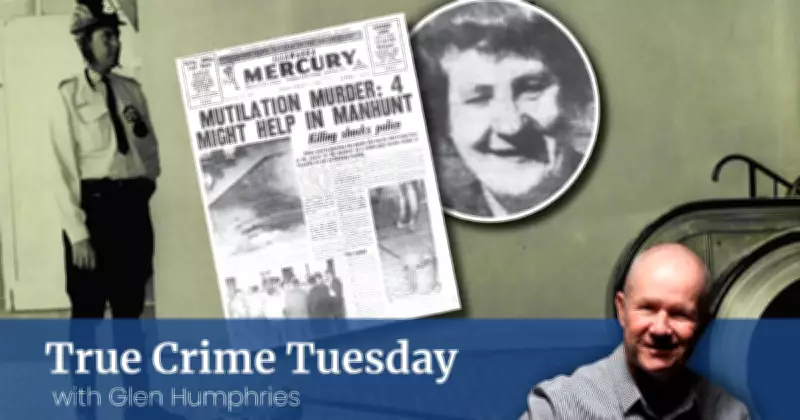
In the quiet coastal city of Wollongong, a chilling crime from 1966 continues to cast a long shadow over the community, as the murder of Wilhelmina Kruger remains stubbornly unsolved after nearly six decades. This cold case, marked by its brutality and lack of closure, has left investigators and residents alike grappling with unanswered questions and a persistent sense of injustice.
A Tragic Discovery That Shook a City
Wilhelmina Kruger, a local resident, was found deceased under circumstances that immediately pointed to foul play. The discovery sent shockwaves through Wollongong, a typically peaceful area unaccustomed to such violent incidents. Police launched an extensive investigation, interviewing witnesses and collecting evidence, but despite their efforts, the case quickly grew cold, with no arrests ever made.
The details of the murder, as reported at the time, suggest a premeditated and vicious attack, adding to the horror and mystery surrounding the event. Kruger's life was cut short in a manner that has since become a haunting chapter in the city's history, with her story resurfacing periodically in media reports and community discussions.

Decades of Investigation Yield Few Clues
Over the years, law enforcement agencies have revisited the case multiple times, applying new forensic techniques and re-examining old leads in hopes of a breakthrough. However, the passage of time has only compounded the challenges, with potential witnesses aging or passing away and physical evidence deteriorating.
Authorities have emphasized that the case remains open, urging anyone with information, no matter how insignificant it may seem, to come forward. They believe that small details could be the key to unlocking this decades-old mystery, but so far, such tips have been scarce or inconclusive.
The Community's Lingering Anguish and Hope
For the people of Wollongong, Wilhelmina Kruger's murder is more than just a historical footnote; it is a wound that has never fully healed. Longtime residents recall the fear and uncertainty that gripped the city in 1966, while newer generations learn of the case through local lore and news archives, keeping the memory alive.
Community leaders and victim advocacy groups have called for renewed attention to the case, arguing that justice for Kruger is long overdue. They highlight how unsolved murders can erode public trust in the justice system and leave families in perpetual mourning, without the closure needed to move forward.
As the years roll on, there is a faint but persistent hope that advances in technology, such as DNA analysis or digital forensics, might one day provide the breakthrough needed to solve this crime. Until then, the mystery of Wilhelmina Kruger's murder stands as a somber reminder of the fragility of life and the enduring quest for truth in the face of darkness.