In a development that may signal a shift in the federal response to escalating tensions, US President Donald Trump has initiated contact with Minnesota's Democratic governor. This move comes in the wake of a second fatal shooting involving Immigration and Customs Enforcement (ICE) agents, which has triggered a surge of public outrage and protests across the state.
A Second Tragic Incident Ignites Public Fury
The catalyst for the current unrest was the shooting death of Alex Pretti, a US citizen, in south Minneapolis on Saturday, January 24, 2026. Federal agents were involved in the incident, which has been confirmed as the second such killing attributed to ICE personnel in recent times. The scene quickly became a flashpoint, with protesters gathering to demand accountability and justice.
Federal Response and Escalating Tensions
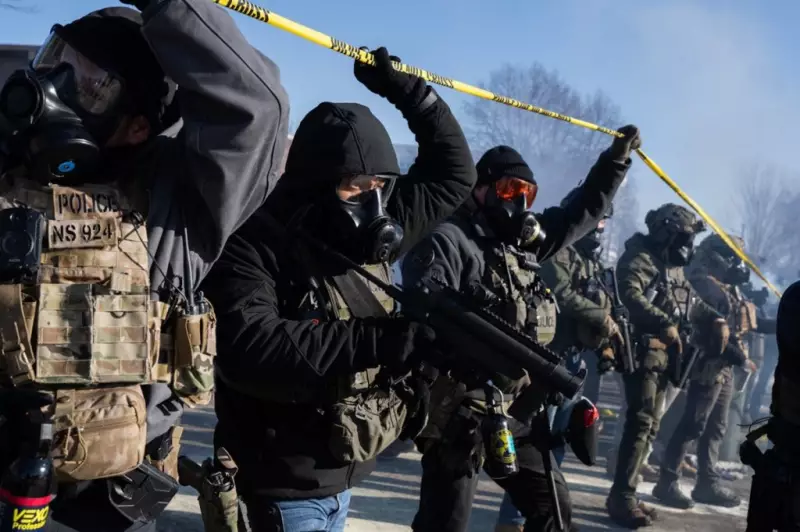
As demonstrations erupted, federal agents were observed moving toward the protesters at the location of the shooting. This aggressive posture has only fueled the public's anger, leading to calls for a de-escalation of the situation. The involvement of ICE agents in the death of a US citizen has raised serious questions about the conduct and oversight of federal immigration enforcement operations.

President Trump's decision to call Minnesota's governor is being interpreted by many as a potential step toward reducing the heightened tensions. While the details of their conversation have not been fully disclosed, the mere act of communication suggests a recognition of the gravity of the situation at the federal level.
Broader Implications for Immigration Policy
This incident underscores the ongoing controversies surrounding ICE and its role in domestic enforcement. The shooting of a second US citizen by immigration agents has amplified debates about the agency's methods and the broader implications for civil liberties. Protesters are demanding not only justice for the victims but also systemic reforms to prevent future tragedies.
The situation remains fluid, with community leaders and activists continuing to organize demonstrations. The response from both state and federal authorities in the coming days will be crucial in determining whether this outreach leads to a meaningful de-escalation or if the protests will persist until substantive changes are implemented.