Townsville Woman Appeals for Australian Government Support in Iran Rescue Mission
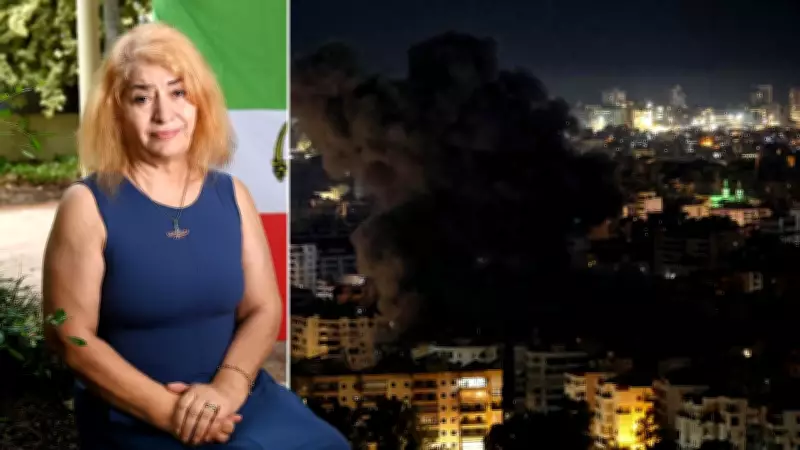
A Townsville woman has made a heartfelt plea for the Australian government to back a rescue mission aimed at saving her family members trapped in Iran. This urgent call comes amid escalating humanitarian concerns and complex diplomatic tensions in the region.
Background of the Humanitarian Crisis
The woman, whose identity has been withheld for safety reasons, has family members facing severe threats in Iran due to political unrest and social instability. She emphasizes that their lives are in immediate danger, with limited access to basic necessities and legal protections.
In her appeal, she detailed the dire conditions her relatives are enduring, including potential persecution and lack of safe exit routes. The situation underscores broader issues of human rights violations and the plight of vulnerable populations in conflict zones.

Australian Government's Role and Response
The woman is urging Australian authorities to take proactive steps, such as providing diplomatic assistance, logistical support, and potential evacuation efforts. She argues that Australia has a moral obligation to intervene, given its history of humanitarian aid and international cooperation.
So far, the Australian government has acknowledged the request but has not committed to specific actions, citing the need for careful assessment of risks and diplomatic protocols. Officials have stated they are monitoring the situation closely and are in talks with international partners.
Challenges and Implications
Rescue missions in Iran are fraught with challenges, including:
- Diplomatic hurdles: Navigating Iran's strict government regulations and strained international relations.
- Security risks: Ensuring the safety of both rescue teams and the individuals being rescued in a volatile environment.
- Legal complexities: Adhering to international laws and bilateral agreements that govern such operations.
If Australia decides to support the mission, it could set a precedent for future humanitarian interventions and strengthen its global reputation as a leader in crisis response. Conversely, inaction might lead to criticism and further endanger the lives of those in need.
Community and International Reactions
Local communities in Townsville have rallied behind the woman, organizing support campaigns and raising awareness about the crisis. International human rights organizations have also echoed her calls, urging governments worldwide to prioritize rescue efforts in high-risk areas.
Experts suggest that coordinated international action is crucial for success, as unilateral efforts may be less effective. They recommend leveraging alliances and multilateral frameworks to enhance the mission's chances.
Looking Ahead
The woman remains hopeful that her plea will spur decisive action from Australian leaders. She continues to advocate for her family's safety, emphasizing the urgency of the situation and the need for compassion in global affairs.
As discussions progress, the outcome of this appeal could influence Australia's foreign policy and humanitarian strategies, highlighting the delicate balance between diplomatic caution and moral responsibility in international crises.