Reframing the Narrative: How We Discuss Disabled Children's Deaths
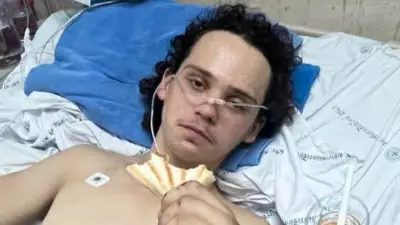
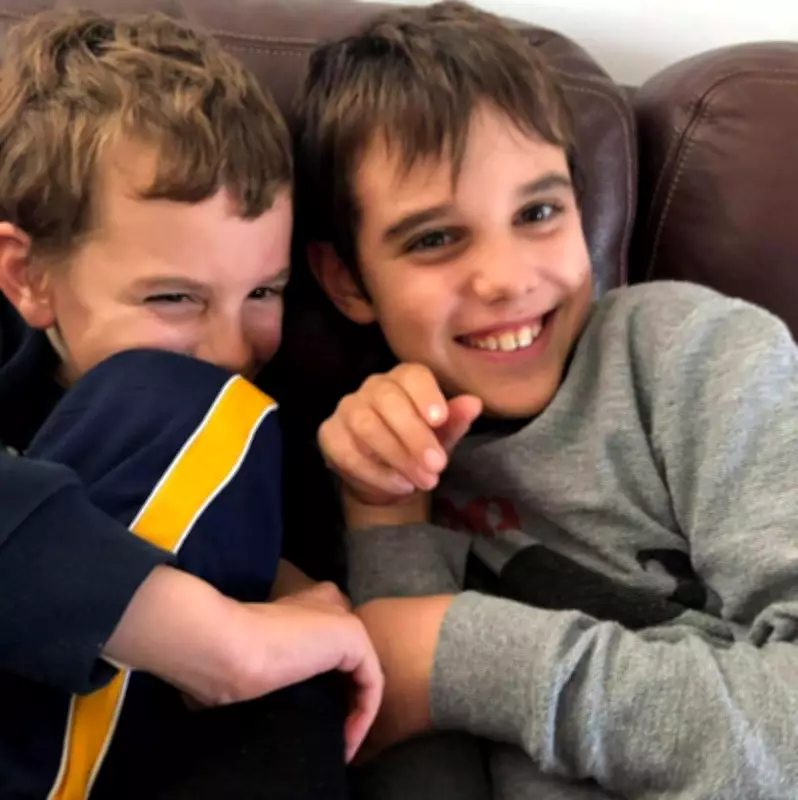
The devastating Mosman Park tragedy, which resulted in the deaths of Leon and Otis Clune in a suspected murder-suicide, has ignited a crucial national conversation. This discussion centres on how Australian society talks about the deaths of disabled children, particularly when the perpetrator is a parent or caregiver.
Centring the Victim, Not the Perpetrator
As a neurodivergent parent raising a neurodivergent child, my immediate focus when reading about such cases is on the child. The priority should be understanding who they were, what brought them joy, and what the community has lost through their murder. Justice for these children and how they are remembered must be paramount.
One fundamental way to deliver this justice is through the language we use to describe what was done to them. Over the past 24 hours, the Australian Neurodivergent Parents Association has adopted a measured and deliberate response to the Clune case. This approach aims to honour the two boys, place them at the centre of discussions, and guide conversations in ways that prevent further harm to other disabled individuals.

Grounded in Prevention and Evidence
This position is firmly rooted in principles of prevention and harm reduction. It draws upon decades of leadership from disabled people regarding filicide—the killing of a person by a family member. The approach is also informed by evidence-based guidance from the Monash Deakin Filicide Research Hub, which stresses careful language, avoiding speculation, and maintaining a clear focus on risk factors and prevention strategies.
It is vital to clarify that focusing on risk and prevention is not synonymous with expressing empathy for perpetrators. There exists no circumstance where murdering a child is acceptable or understandable. Stating this unequivocally is essential.
The Problem of Shifting Focus
This victim-centred approach often creates discomfort. The dominant public and media response in such cases frequently centres the parents' perceived distress, isolation, or lack of support. Deaths are framed as "family tragedies," and the public is encouraged to comprehend how circumstances became "unbearable." In this process, the child as an individual victim disappears.
This matters profoundly. How we talk about these deaths shapes what society excuses, what it normalises, and ultimately, what it fails to prevent.
A Double Standard in Language
When non-disabled children are killed, public discourse does not typically begin with explanations for the perpetrator. Sympathy is not extended before facts are established. A shared understanding exists that a serious crime has occurred, with sole responsibility lying with the perpetrator. Murder is a crime; the murderer is a criminal. We use the precise language appropriate for any homicide.
However, when the child is disabled, this linguistic clarity often fades. Disability shifts from context to explanation, and sometimes, tragically, to justification. This is not accidental. It reflects a deeper, insidious assumption that disabled lives are more burdensome and therefore their loss is more understandable. This assumption influences policy, funding, and service design long before it surfaces in media coverage and social media comments.
Community Responsibility and Key Resources
As a community responsible for these children, we have a moral duty to educate ourselves on best practices. We must ensure our words honour the victims and do not place their peers at future risk. Three key resources are particularly relevant:

- Disability Memorial: An online project created by disability advocates to document the lives of disabled people killed by family members or caregivers. It exists because these deaths are routinely minimised or erased. By centring victims, it demonstrates this violence is neither rare nor anomalous.
- Addressing Filicide: Linked to the Monash Deakin Filicide Research Hub, this work builds on Australia's national filicide studies. It focuses on identifying patterns, risk factors, and systemic failures to prevent deaths, without arguing for excusing perpetrators.
- The 2026 Anti-Filicide Toolkit from the Autistic Self Advocacy Network.
Collectively, these sources highlight two critical facts: disabled children are being killed, and these deaths are both foreseeable and preventable. The barrier between evidence and prevention is often a public narrative that misdirects empathy.
Challenging False Assumptions
A common misconception is that parents who refuse to empathise with perpetrators must have easier lives. This is profoundly wrong. Many parents holding a firm line against empathising with child killers are raising children with extremely high and complex support needs. They may deal with daily self-injury, violence, property destruction, hospitalisations, sleep deprivation, and systemic exclusion.
Many do so in deep poverty, managing immense challenges around the clock. These realities are well-known within disabled communities. Crucially, none of these circumstances are the fault or intention of the children, who are distressed and rely on adults for support and safety. Their experience is inherently harder.
Strikingly, these difficult circumstances are often raised seriously only after a child has been killed, to explain why the killing should be understood. Yet, we must recognise the overwhelming majority of parents in these incredibly tough situations do not kill their children. This fact underscores a moment of agency and choice.
Upholding Unconditional Rights
Hard lives do not excuse homicide. Poverty does not make killing understandable. Isolation does not remove criminal or moral responsibility. Most importantly, disability does not reduce a child's right to life.
This is not an argument against examining systemic failures. However, explanation must never become justification. When a parent kills their child, a serious criminal and human rights offence has occurred. The absence of a trial in a murder-suicide does not erase responsibility. Disability, poverty, or lack of support do not change this fundamental truth.
Disabled children are not expendable. They are not a separate category whose deaths require softer language or lower standards of judgment. They are not "lost" or "taken"; their deaths are not inevitable tragedies. They are children who were murdered by the people tasked with protecting them.
Treating their right to life as conditional is not compassion—it is rank discrimination. If our public conversation cannot hold this line, it is not neutral. It makes a choice about whose lives are valued and whose deaths can be explained away. Too often, it chooses the wrong side. We must all start choosing the right side today.