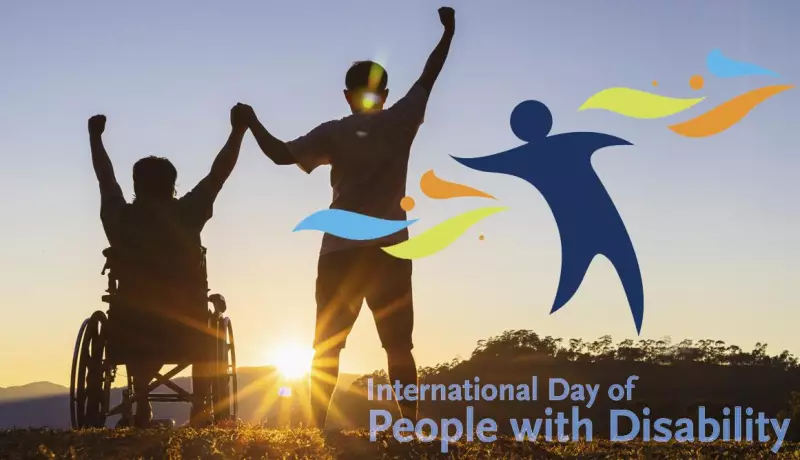
As Australia marks the International Day of People with Disability, a powerful message is resonating across the nation: creating an inclusive society is not a task for a few, but a collective responsibility for all. This annual observance, held on December 3rd, serves as a crucial reminder of the ongoing work needed to ensure people with disabilities can participate fully in every aspect of life.
A Personal Perspective on Systemic Change
Aaron Green, a prominent advocate and the General Manager of Community and Social Services at St John of God Health Care, has brought this issue into sharp focus. Drawing from his own lived experience with disability, Green emphasises that true inclusion goes beyond physical accessibility. It requires a fundamental shift in attitudes, policies, and everyday interactions.
He argues that while dedicated disability service providers play a vital role, the onus cannot rest solely on them or on individuals with disabilities themselves. Instead, every sector of society—from businesses and governments to schools and local communities—must actively dismantle barriers. This means designing inclusive workplaces, creating accessible public transport, and ensuring digital platforms are usable by everyone.

The Economic and Social Imperative for Inclusion
The call for collective action is not just a moral one; it is an economic and social imperative. When people with disabilities are excluded from the workforce or community life, society misses out on their immense talents, skills, and perspectives. Fostering inclusion enriches our culture, drives innovation, and strengthens the economy.
Green points to practical steps that organisations and individuals can take. These include committing to inclusive hiring practices, providing reasonable adjustments without stigma, and actively consulting with people with disabilities when making decisions that affect them. It's about moving from a mindset of accommodation to one of integration and belonging.
Moving Beyond a Single Day of Recognition
The International Day of People with Disability is a key moment for celebration and reflection, but the mission extends far beyond a single date. The theme of collective responsibility challenges Australians to make inclusion a daily practice. It's about checking in on neighbours, advocating for better services, and challenging unconscious biases when we encounter them.
The ultimate goal is a future where accessibility and inclusion are woven into the fabric of Australian society, so much so that they become the expected norm rather than a hard-fought exception. As Aaron Green's commentary underscores, this future is only possible if every one of us accepts our share of the responsibility to build a fairer, more equitable community for all.