The horrific attack at Bondi Beach on Sunday evening has sent shockwaves across Australia, prompting an outpouring of grief and a powerful call for national unity in support of the Jewish community.
Outpouring of Support and Condemnation of Blame
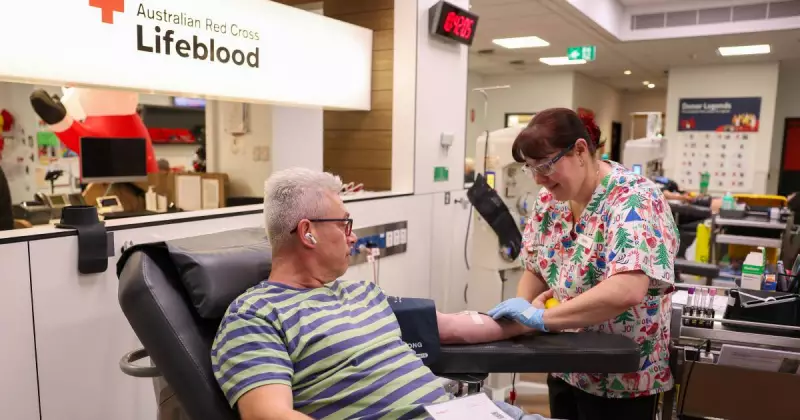
In the wake of the tragedy, which occurred on the first night of Hanukkah, readers have expressed their profound sorrow and admiration for the acts of bravery displayed by ordinary citizens. The courageous actions of a man who disarmed one of the perpetrators have been singled out as an extraordinary example of heroism. The community response, including queues to donate blood, has been highlighted as the "best of humanity" shining through in the face of the worst.
However, this spirit of solidarity has been marred by immediate political finger-pointing. Multiple correspondents have expressed outrage at comments made by Israeli Prime Minister Benjamin Netanyahu. Netanyahu directly blamed Australian Prime Minister Anthony Albanese, stating that his recognition of a Palestinian state's right to exist "pours fuel on the anti-Semitic fire." Readers have labelled these accusations as "appalling, untrue and damaging" and a "disgraceful" attempt to score political points from a tragedy.

Calls for Unity Over Division
The dominant theme from the public is a plea for cohesion. Peter McLoughlin of Monash stated it is "a time for Australians to come together and support the Jewish community," emphasising that Australia's success as a multicultural society depends on everyone feeling safe. This sentiment is echoed by James Allan from Echuca, who condemned the attack as having "no place in any civilised society" and criticised Netanyahu's "hypocrisy."
Domestic politics also faced scrutiny. Penny Bowen from Charnwood criticised Deputy Opposition Leader Sussan Ley for making "politically motivated and extremely divisive" comments in the immediate aftermath, arguing that the focus should be on healing, not division.
Broader Community Concerns and Heroism
The letters also reflect on wider issues exposed by the attack. Several writers expressed fear that Australia's strict gun control laws, strengthened after the Port Arthur massacre, had been circumvented. Others called for a review of citizenship rules and security service leadership.
Amidst the criticism, stories of profound courage were celebrated. The heroism of Ahmed El Ahmed, a Muslim man who risked his life to save Jews, was repeatedly highlighted as a powerful symbol of unity. Multiple correspondents called for him to receive Australia's highest bravery award. The police officers who ran towards the danger were also praised, with readers defending them against any premature blame.
As the nation grapples with this tragedy, the message from the public is clear: this is a moment for compassion, support, and national unity, not for political exploitation or international blame games. The attack, as one writer noted, has undeniably changed Australia, making the collective response more critical than ever.