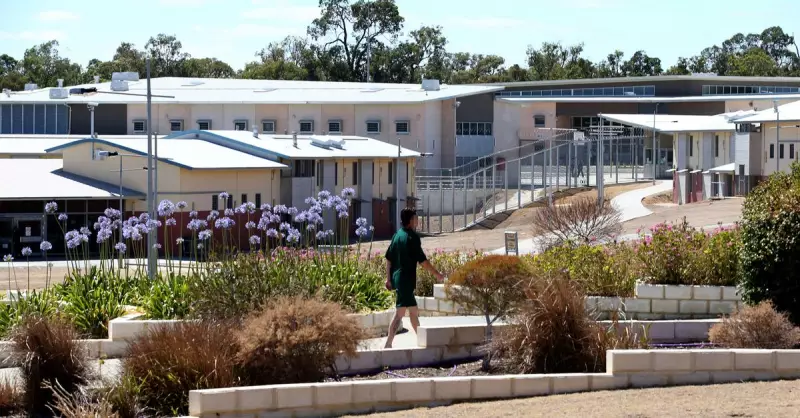
A man has died while in custody at Acacia Prison in Western Australia, prompting an immediate investigation by authorities.
Incident Details and Emergency Response
The inmate was discovered unresponsive in his cell during routine checks on the morning of Saturday, May 17. Prison staff immediately initiated emergency first aid protocols. WA Police confirmed that despite the efforts of corrective services officers and paramedics, the man could not be revived and was pronounced dead at the scene.
The Department of Justice has formally notified the WA Coroner, as is standard procedure for all deaths occurring in custody. A report will be prepared for the Coroner, who will determine the cause of death. The exact circumstances leading to the incident remain under investigation, and the identity of the deceased has not been publicly released pending notification of his next of kin.

Official Statements and Ongoing Inquiries
A spokesperson for the Department of Justice released a statement acknowledging the tragic event. "The Department is providing support to staff and others affected by the incident," the spokesperson said. They also confirmed that both the WA Police and the Coroner are conducting independent investigations into the death, which is standard practice to ensure transparency and accountability.
Acacia Prison, located in the Perth suburb of Wooroloo, is a privately managed facility operated by Serco under contract to the WA government. It is a medium-security prison that houses both sentenced prisoners and those on remand.
A Broader Context of Custodial Deaths
This latest incident brings renewed focus to the issue of deaths in custody within the Australian correctional system. Every such death triggers a mandatory coronial inquest to examine the facts and identify any potential systemic failures or required changes to procedures.
The investigations by police and the Coroner will seek to establish a clear timeline of events and the cause of death. Their findings will be crucial in understanding what transpired and informing any necessary policy or operational reviews within the state's corrective services.
Community and advocacy groups often monitor these cases closely, calling for thorough investigations and continued reforms to improve inmate welfare and safety. The outcome of the pending coronial inquest will be awaited by all stakeholders.