For those seeking a summer escape from scorching temperatures, readers have recommended a variety of cooler European coastal destinations, from the pine-scented shores of Latvia to the wild beaches of Norway's far north-east. These spots offer pleasant weather, stunning scenery, and unique cultural experiences without the risk of getting frazzled.
Latvia's Saulkrasti: A Forested Beach Haven
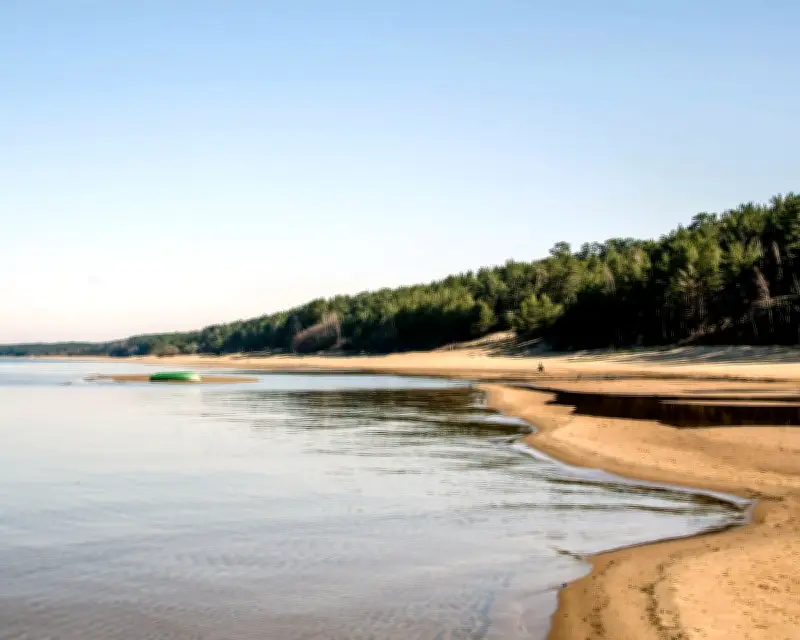
Bruce recommends Saulkrasti in Latvia, where long, sandy beaches are backed by scented pine forests. Just an hour from Riga by frequent local train, the forests extend to the shoreline. A well-marked 4km trail leads from the station through the trees to the big dune and blue river at Balta Kapa. Bruce enjoyed a July picnic in the forest and occasional dips in the Mediterranean-warm Baltic Sea, before returning happily to Riga.
Brittany's Côte Emeraude: Family-Friendly and Mild
Gaia had a lovely family holiday on the Côte Emeraude in Brittany last August, with perfect weather in the low twenties Celsius. Staying in Dinard with her three-year-old, she found it an ideal base for day trips. The area offers family-friendly beaches, crepes, cidre, street parties, and cool sandy beaches, plus art galleries and markets. It is less touristy than nearby St Malo, which is easily accessible by train from Paris.

Finland's Yyteri Beach: Volleyball, Sauna, and Midnight Swims
Pete chanced upon Yyteri beach while cycling in south-west Finland and ended up staying a week. The 3km-long sands were never crowded. He joined a local beach volleyball team, who later invited him for a sardine, song, and sauna evening. The beach adjoins the Yyteri nature trail with spectacular sand dunes. Impromptu swim and song parties start at midnight as the sun sets, and Pete encourages visitors to join in.
Norway's Varangerfjord: History and Wildlife
Natalie Keene spent a week in Varangerfjord, north-east Norway, with four friends. They took a 10-minute boat trip to the island of Hornøya (booking required, from £95 per person with Explore 70 Degrees or Skua Nature). Another day trip led to the abandoned fishing village of Hamningberg, with pristine timber homes left untouched by German troops in 1945. The village became deserted in the 1960s, and free-roaming reindeer line the roadsides. In Vardø, the Steilneset Memorial commemorates 91 people, mostly women, burned at the stake for witchcraft in 1621.
Poland's Sopot: Family Fun on the Baltic
Kate spent a glorious week in Poland last August with her kids, enjoying the fine white sand beaches of Sopot, a 20-minute train or taxi ride from Gdansk. They strolled the Sopot pier, the longest wooden pier in Europe at 511.5 metres, and sampled pierogi on Monte Cassino Street with its crooked house. The Baltic Sea was refreshingly cool, but Kate considered it a small price for a fun and good-value beach break.
Ireland's Fanad Peninsula: Unspoilt Scenery
Brendan recommends the Fanad peninsula in Donegal for quiet, unspoilt beaches and spectacular scenery. Rathmullan and Ballymastocker beaches on Lough Swilly are long strands of pale sand. The road between them offers vistas as the lough heads into the Atlantic. Visitors can see Fanad Head lighthouse and settle on the peaceful Atlantic beaches of Ballyhiernan, or head to the Gaeltacht village of Downings for a busier atmosphere. The mountainous landscape affords views across Mulroy and Lough Swilly estuaries and the Atlantic.
Iceland's Akureyri: Geothermal Pools and Fjord Views
Hannah Angle found good value in the northern town of Akureyri, despite Iceland's expense. Staying at Saeluhus hotel in a bungalow, she had a view across Eyjafjörður fjord, teeming with whales in summer. City buses are free. The Forest Lagoon offers a peaceful alternative to Reykjavik's crowded Blue Lagoon, with pools, saunas, and swim-up bars set among trees. Even cheaper is the municipal geothermal pool with many activities. The walkable city has cool restaurants and cafes.

Northern Spain's Gijón: Rainy Bliss and Literary Festivals
Eve followed a workmate's recommendation to Gijón on Spain's north coast, after hearing his gleeful report of rain all seven days of his June holiday. It rained only three of their days, but coincided with the Semana Negra literary festival. One day reached 27C, causing some daytime events to be cancelled due to 'extreme heat'. They stayed at the Silken Ciudad hotel (doubles from £300 for two nights).
Germany's Greifswald: Hanseatic History and Baltic Beaches
Barbara Forbes highlights the Hanseatic town of Greifswald on the River Ryck, a few miles from the Baltic coast via a well-kept path. The village of Wieck offers a quiet, extensive beach, a modern flood barrier system, and the ruins of 12th-century Eldena Abbey, which artist Caspar David Friedrich featured in his landscapes. From Greifswald, a local train runs parallel to the coast to Stralsund with its gothic brick churches, and a ferry goes to the island of Rügen.
Winning Tip: Sweden's Sandhammaren Beach
Nicholas describes sitting on the soft white sand of Sandhammaren beach in southern Sweden, gazing at clear aqua marine waters that felt like a Greek island without the heat. The beach, on the south-eastern tip of Skåne province, offers swimming, sunbathing, and a nature reserve with elk and birdlife. The 19th-century lighthouse offers guided tours, and a pop-up kiosk sells sardine rye bread and sandwiches for under £5. Nearby Löderups Strandbad, with white wooden cottages, served as a peaceful base, with mornings shared by stray elks and deer.