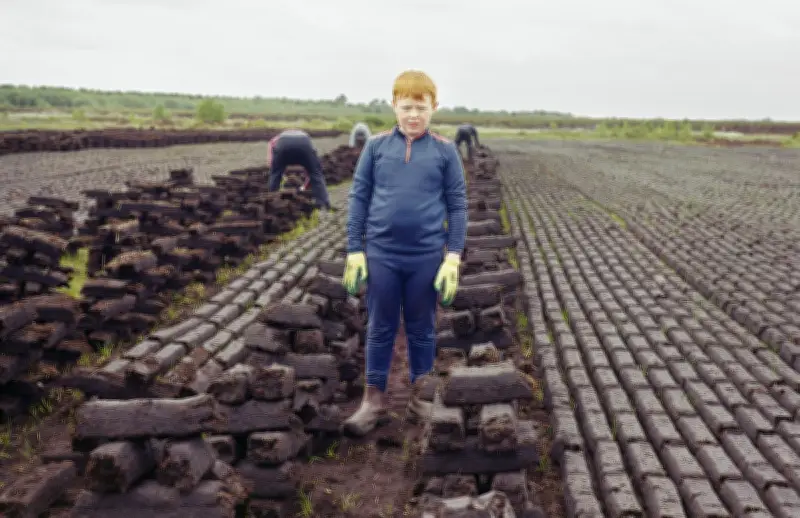
Ireland's peat bogs, which have preserved layers of climate history spanning thousands of years, are disappearing at an alarming rate due to peat extraction and climate change. Scientists and photographers are racing to document these unique ecosystems before they are lost forever.
Ancient Archives Under Threat
The bogs, covering about 17% of Ireland's land surface, are among the most important natural archives of climate change in Europe. Each layer of peat contains pollen, plant remains, and even ancient human artifacts that provide a record of environmental conditions over the past 10,000 years. According to Dr. John Smith, a peatland ecologist at University College Dublin, "These bogs are like history books written in organic matter. They tell us about past climates, vegetation, and human activity."
Peat Extraction and Climate Impact
Peat has been used as fuel in Ireland for centuries, but industrial extraction accelerated in the 20th century. The Irish government banned the sale of peat for domestic use in 2023, but illegal extraction continues. The bogs also release large amounts of carbon dioxide when drained or burned, contributing to climate change. The Environmental Protection Agency estimates that drained peatlands emit about 6 million tonnes of CO2 annually, equivalent to 10% of Ireland's total greenhouse gas emissions.

Documentary Project Captures Vanishing Landscapes
Photographer Sarah O'Connell has spent the past two years documenting the remaining intact bogs. Her project, "Bogland: The Last Layers," captures the stark beauty of these landscapes and the damage caused by extraction. "The bogs are shrinking rapidly. In some areas, you can see the exposed layers like a giant slice of cake, each layer representing a different era," she said. "It's a race against time to record them before they're gone."
Conservation Efforts and Restoration
The Irish government has designated several bogs as protected areas under the EU Habitats Directive. Restoration projects aim to rewet drained bogs to prevent further carbon loss and encourage peat formation. However, only 20% of Ireland's original bogland remains intact. The National Parks and Wildlife Service is working with landowners to restore degraded bogs, but funding and enforcement remain challenges.
Cultural and Historical Significance
Bogs also hold cultural significance, with many containing ancient bog bodies, such as the famous Cashel Man, dating back 4,000 years. These well-preserved human remains offer insights into prehistoric life. The loss of bogs would mean the loss of these unique archaeological sites. "The bogs are not just ecological treasures; they are part of our heritage," said archaeologist Dr. Fiona Murphy.
Climate Archive at Risk
Scientists warn that the destruction of bogs removes a vital tool for understanding past climate patterns. By analyzing peat cores, researchers can reconstruct temperature and rainfall changes over millennia. This data is crucial for predicting future climate scenarios. "We are losing an irreplaceable record," said Dr. Smith. "Once the peat is gone, the history it holds is gone forever."