The Church of England has issued a long-awaited apology for its involvement in forced adoptions following the Second World War. Hundreds of thousands of children were forcibly separated from their mothers in the UK between the 1940s and the 1980s, with survivors testifying to suffering abuse, neglect, and lifelong trauma.
Anglican mother and baby homes were part of a network of institutions, alongside Catholic and Salvation Army homes, where unmarried women were sent to give birth in secret before being compelled to hand their babies over to married couples for adoption.
Archbishop's Statement
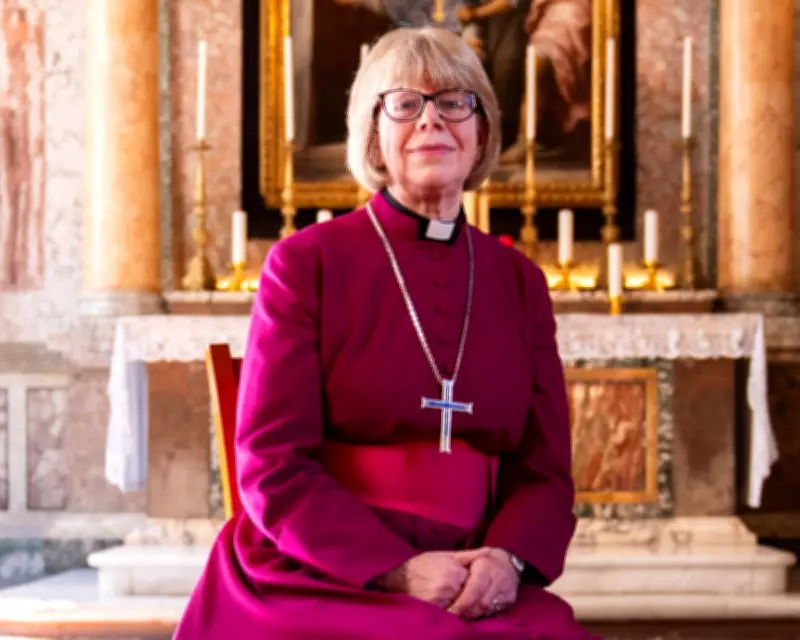
The Archbishop of Canterbury, Sarah Mullally, said on Thursday: 'We are profoundly sorry for the pain, trauma and stigma experienced, and still carried, by many people because of historical adoption practices in homes affiliated to the Church of England.'

'We have heard first-hand the accounts of mothers who were separated from their babies in circumstances where they had very few meaningful choices. We know that many women and girls were at times made to carry out menial and manual work as a form of correction. We also recognise where prejudice – including on the grounds of race and disability – shaped and defined experiences and outcomes.'
Survivor Reactions
Phil Frampton, a survivor and campaigner from Manchester, was born in an Anglican institution – Rosemundy mother and baby home in St Agnes, Cornwall – in 1953, because his parents had been in a mixed-heritage relationship. He said: 'The apology is a huge and historic victory for all those unmarried mothers and their children who had committed no crime but were persecuted by the church.'
'The church has much more to do to undo the harm it did before it can go near restoring moral authority, but the archbishop's apology will help lift decades of shame and guilt off the shoulders of survivors and place it where it really belongs – on those of the church and the governments it served.'
However, the Adult Adoptee Movement, a survivors organisation, said there had been 'no offer of redress or support' and accused the church of downplaying its role and insulting survivors. They stated: 'The statement given by the archbishop of Canterbury today is not a meaningful apology. For many of us, engaging with the church in their apology process was distressing and re‐traumatising.'
Church's Research and Admission
The church said the apology came after a research project in which it drew on incomplete records, listened to first-hand accounts, and considered media reports and parliamentary scrutiny. The Church of England said the aim of the research was 'to better understand its role within a wider system shaped by the social attitudes and laws of the time, when unmarried mothers often faced stigma and had limited support.'
It admitted being involved in potentially more than 200 homes, with the number of mothers and babies probably in the tens of thousands in a decentralised system. The church said its Moral Welfare Council's guidance was clear that mothers and babies should be kept together where possible, and that any adoption was consensual, but it was aware that this was not always followed in practice.
It insisted there had been examples of kindness in the system, adding: 'Standards and experience varied between homes. In some cases, attitudes were judgmental, and conditions were difficult. Limited resources, lack of alternative support, and wider social pressures often shaped what happened.'
Commitment to Change
Mullally paid tribute to survivors and survivors organisations who testified, adding: 'The shame you were made to feel was wrong … we are deeply ashamed that this happened to people in the care of Christian communities. All of this took place in a society that often valued secrecy and respectability over compassion and care. The Church of England was part of that society and helped to sustain those attitudes.'
'Our commitment now is to listen, to lament and to learn – to acknowledge this history … and to ensure that this leads to change. We pray for all people who carry these experiences.'