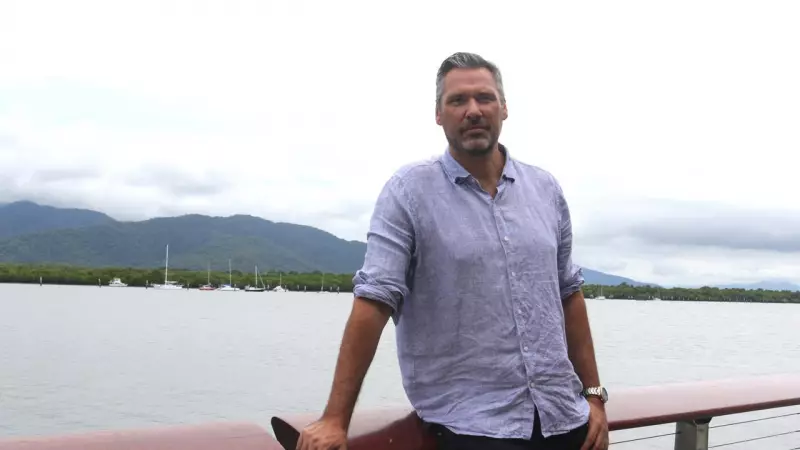
Federal Member for Leichhardt Warren Entsch has issued a powerful and urgent plea in Parliament, demanding the nation's leaders confront the immediate climate threat facing his Torres Strait constituents. He warned that rising sea levels and coastal erosion are not distant future problems but a present-day crisis for low-lying island communities.
A Dire Warning from the Front Line
Speaking with renewed urgency, Entsch highlighted the tangible impacts already being felt. He described visiting islands where graves are being washed into the sea and where cultural heritage sites are under imminent threat from encroaching waters. For the people of the Torres Strait, this is a direct assault on their homes, their history, and their identity.
The MP's intervention comes at a critical juncture in the national debate over emissions reduction targets. He argued that abstract political arguments in Canberra have real and devastating consequences for the islands he represents. "This is not a hypothetical," Entsch emphasised, framing the issue as one of fundamental responsibility and justice.

Bridging the Gap Between Policy and Reality
Entsch's role is pivotal, acting as a conduit between the remote island communities and the halls of federal power. He stressed that the voices of Torres Strait Islanders must be central to the national climate conversation. Their firsthand experience of climate change, he contends, provides an irrefutable case for more ambitious and immediate action.
The situation underscores a stark disparity: while Australia debates long-term targets, some communities are already implementing emergency measures to protect their land. Entsch brought this reality to the forefront, challenging his parliamentary colleagues to look beyond partisan politics and recognise the human cost of inaction.
The Call for Tangible Outcomes and Leadership
The core of Entsch's message was a call for decisive leadership and policy that delivers tangible results. He advocates for emissions reduction strategies that are not only scientifically sound but also equitable, ensuring that vulnerable regions like the Torres Strait receive the support and resources they need to adapt and survive.
This move places the Torres Strait firmly on the front line of Australia's climate policy debate. It transforms the issue from one of environmental science into a pressing matter of social justice, cultural preservation, and national duty. The fate of these unique island communities now serves as a potent symbol of the consequences of Australia's collective choices on climate change.
As the parliament continues to wrestle with its climate commitments, the impassioned advocacy from the Leichhardt MP ensures that the human faces of this crisis cannot be ignored. The question remains whether this urgent plea from Australia's northernmost reaches will translate into the policy action required to secure a future for the Torres Strait Islands.