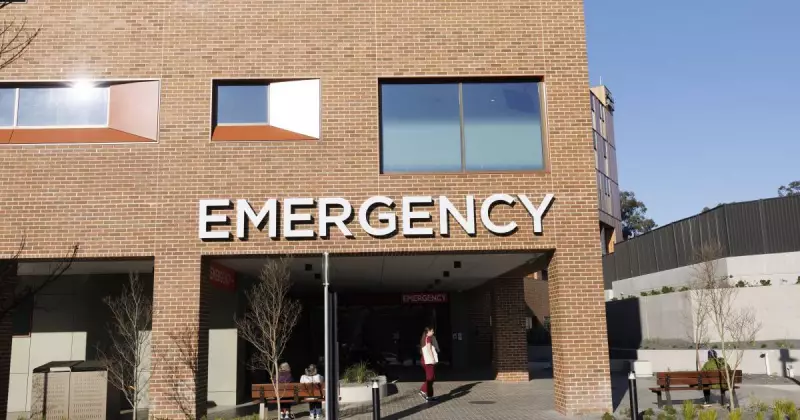
Rising temperatures driven by climate change are set to dramatically increase pressure on Canberra's hospital emergency departments, with a new study projecting heat-related visits could nearly double by the middle of the century.
Heat and Cold to Drive Tens of Thousands More Presentations
The research, led by Dr Michael Tong from the Australian National University, analysed emergency department data from 2000 to 2021. It found that nearly 36,000 presentations in the ACT during that period could be directly attributed to heat. A further 57,000 were linked to cold weather.
Looking ahead, the projections are stark. If climate change continues on its current trajectory, heat-attributable emergency visits could soar to nearly 69,000 between 2040 and 2061. Presentations due to cold are also expected to rise, reaching over 81,300 in the same future period.

"The daily number of emergency presentations increased when temperatures were high and on cold days below 14 degrees," Dr Tong explained.
Canberra's Unique Vulnerability to Temperature Shifts
Dr Tong, a senior research fellow at the ANU's centre for epidemiology and population health, highlighted Canberra's particular susceptibility. Because the capital has a lower average annual temperature than coastal cities, its residents are acclimatised to cooler conditions.
This means Canberrans become vulnerable to health impacts from rising temperatures sooner than residents of warmer cities. "Action to respond to extreme heat was needed in Canberra at lower temperatures than in coastal cities," Dr Tong said.
He issued a grave warning about the fundamental threat of extreme heat, contrasting it with cold. "We never, ever have any kind of case [showing] humans can survive in extreme heat, for example, positive 45 degrees or 50 degrees, for a longer time," he stated.
Age Groups Face Different Risks
The study, published in the Australian and New Zealand Journal of Public Health, broke down risks by age. It found distinct patterns of vulnerability across the community.
Young people under 20 showed the highest relative risk from both heat and cold exposure. Adults aged 20 to 60 were particularly sensitive to moderate heat, a fact researchers suggested might be due to work-related exposure before protective measures are taken.
Older adults aged 60 and over were most vulnerable to extreme cold. The study attributed this to weakened immune systems, reduced ability to regulate body temperature, and higher rates of pre-existing conditions like hypertension and diabetes.
"In addition to this heat we're facing these days, we also need to consider [and] look after this cold-related illness, particularly for these elderly people," Dr Tong urged.
A Call for Mitigation and Adaptation
The research team, which included experts from Canberra Health Services and the University of Adelaide, concluded with a dual call to action. It emphasised the need for health authorities to implement stronger measures to protect vulnerable people during extreme weather events.
Critically, Dr Tong stressed that hospital planning must be just one part of the response. The ultimate solution requires tackling the root cause. "We need to take some actions to mitigate climate change, to cut the carbon emissions and also look after ourselves as well," he said.
This warning is backed by ACT government climate projections, which forecast Canberra will experience an extra five days above 35 degrees annually by 2050 under a high-emissions scenario, with some years seeing up to 20 additional extreme heat days.