Iran's Women's Football Team Reverses Anthem Protest Amid Political Tensions
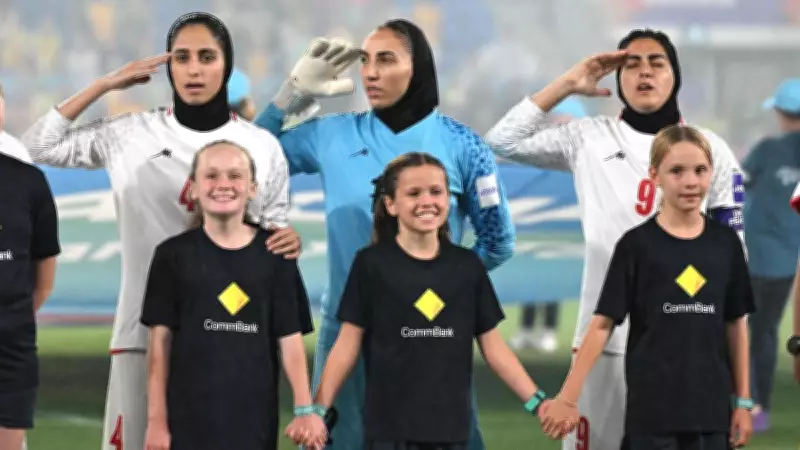
In a dramatic shift, Iran's women's football players sang and saluted their national anthem before their Women's Asian Cup match against the Matildas on Thursday, following intense pressure from anti-regime protesters who accused the team of being hostages of the current autocracy. This move came after the players made global headlines by refusing to sing or salute the anthem during their 3-0 loss to South Korea earlier in the week, sparking widespread debate and dissent.
Protests and Accusations Against the Regime
Australian-based protesters against the Iranian regime have vehemently criticized the government, alleging that it is using the women's football team to normalize its alleged crimes. In the hours leading up to the clash with Australia, approximately 50 Iranian Australians gathered, chanting phrases like 'thank you Bibi, thank you Trump,' in reference to Israeli Prime Minister Benjamin Netanyahu and former US President Donald Trump, who authorized bombings in Iran that resulted in the death of Supreme Leader Ayatollah Ali Khamenei.
Azin Naghibi, a protester, told AAP that the players are effectively hostages of the Islamic regime, forced to comply under duress. She argued that if given the chance, the players would likely reject mandatory hijab laws and align with the broader Iranian population, estimated at 90 million people, who seek freedom from oppressive controls.

International Reactions and Justifications
The political fallout extended beyond the pitch, with international leaders weighing in on the conflict. Spanish Prime Minister Pedro Sánchez condemned the war against Iran as illegal, while French President Emmanuel Macron criticized the US-Israeli strikes as conducted 'outside of international law.' Despite this, protesters like Naghibi and Hesam Orouji defended the actions of Trump and Netanyahu, viewing them as necessary interventions to overthrow what they describe as a brutal regime.
Orouji likened Ayatollah Khamenei to Adolf Hitler, expressing hope for a free Iran after decades of occupation and violence. He claimed that the regime has squandered national wealth on supporting terrorism, and with the recent bombings, Iran is on the brink of transformative change.
Personal Stories and Calls for Freedom
Naghibi, who identifies as a freedom fighter, shared her personal journey of fleeing Iran over 12 years ago for safety after participating in protests that turned violent. She emphasized that peaceful resistance alone would take many years and cost countless lives, making external intervention seem justified to many in the diaspora. The protesters positioned themselves as voices for the players and the Iranian people, highlighting the emotional and political pressures faced by the team.
As the Women's Asian Cup continues, the actions of Iran's football team remain a focal point for global discussions on human rights, political oppression, and the role of sports in societal change. The reversal of their anthem protest underscores the complex interplay between athletic performance and political expression in a highly charged environment.