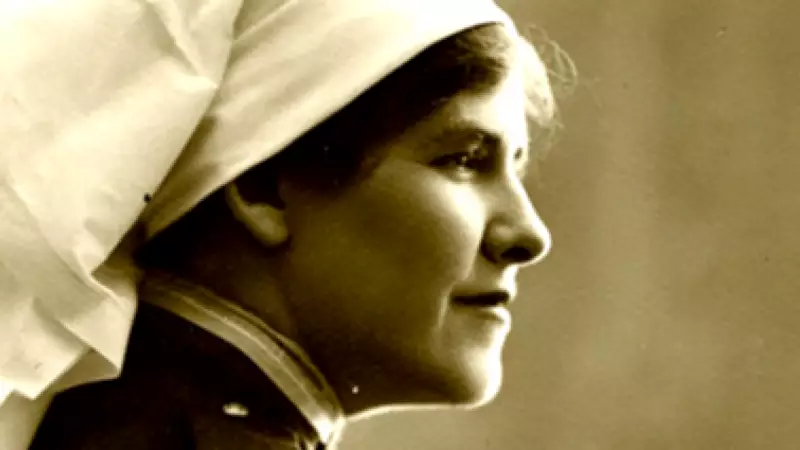
Rosa O'Kane: A WWI Nurse's Tragic Sacrifice in Quarantine Remembered
A Charters Towers woman who served as a nurse during World War I is being honoured for her courageous service and untimely death in a Spanish flu quarantine ward. This poignant chapter of Australian history sheds light on the sacrifices made by healthcare workers long after the guns fell silent in Europe.
The Journey of Rosa O'Kane
Rosa O'Kane was born on April 14, 1890, to Irish immigrants John and Jeanie O'Kane in Charters Towers. She enlisted for overseas service in October 1918 and was assigned to nursing reinforcements sent to Salonika, Greece. A week later, she embarked on the steamship SS Wyreema, which was hired to transport Australian Army nurses to Europe during WWI.
At the end of the Great War, the SS Wyreema was ordered to return to Australia. Rosa wrote home, excitedly explaining she would soon reach Fremantle and be home in time for Christmas. However, tragedy struck when the HMAT Boonah, a troopship carrying over 900 soldiers, many suffering from the Spanish flu, followed closely behind.

The Quarantine Crisis at Woodman Point
In the book Across the Sea to War by Peter Plowman, the Wyreema's commanding officer P.M. McFarlane described the dire situation. The Boonah's wireless messages detailed daily increasing numbers of men with pneumonia influenza. The Western Australian Commandant requested twenty nursing sisters to land at the Quarantine Station.
Volunteers were called for, and so many offered that names had to be drawn from a hat to select the twenty required. These nurses knew the enormous risk they were taking, yet they were eager to undertake the work. Those not chosen were reportedly disappointed.
More than 300 sick men were quarantined at the Woodman Point Quarantine Station near Fremantle for treatment. A group of 20 nurses, including Miss O'Kane, were assigned to care for them. Ultimately, 27 soldiers died in quarantine from the illness. Tragically, 15 of the 20 nurses who volunteered fell ill, and four of them died, including Rosa O'Kane.
Public Outcry and Lasting Legacy
The troop ship was quarantined until it could record seven days with no new infections, leading to reportedly deplorable conditions on board. Public outcry grew, with The Sunday Times editorial on December 15, 1918, condemning the "inhuman incarceration of soldiers in the disease-stricken cubbyhole of a floating hell."
Miss O'Kane succumbed to the disease on December 21, 1918, at the age of 28. Her remains were buried at the Woodman Point cemetery. In 1921, the Charters Towers Patriotic Committee and former nurses who worked alongside her erected a stone monument over her grave.
Commemoration at the Australian War Memorial
Rosa O'Kane was one of many staff nurses commemorated for their sacrifice at the Australian War Memorial on April 1. Australian War Memorial director Matt Anderson stated, "O'Kane is one of many who died after the conclusion of the First World War. She continued to serve after the guns fell silent in Europe and paid the ultimate sacrifice."
Memorial historian Craig Tibbitts noted that in total, 24 Australian nurses from the First World War are listed on the Roll of Honour. Staff nurse Ada Thompson and staff nurse Doris Ridgway also succumbed to the disease while caring for the men at Woodman Point.
This story not only honours Rosa O'Kane but also serves as a powerful reminder of the bravery and dedication of nurses who risked their lives in quarantine wards during one of history's deadliest pandemics.