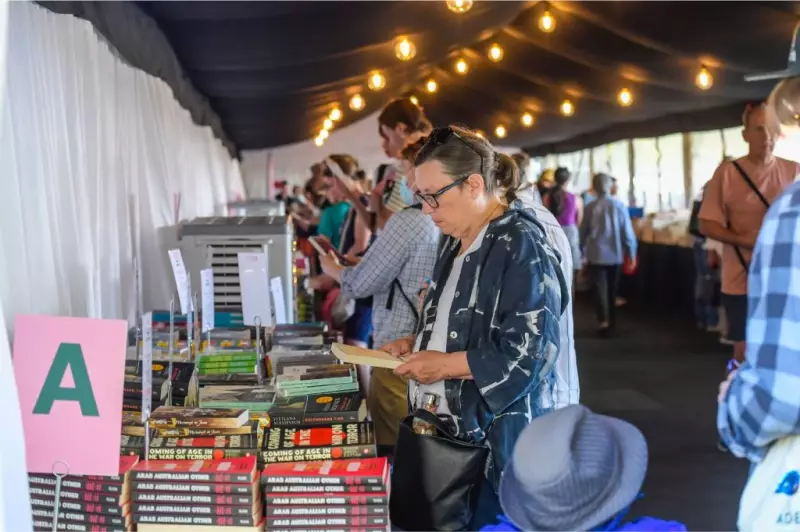
The future of one of Australia's most prestigious literary events is in serious doubt after the sudden and dramatic collapse of the 2026 Adelaide Writers' Week. The festival's implosion has left a logistical and financial nightmare in its wake, with thousands of books destined for author events now stranded in a warehouse, their fate uncertain.
A Festival Unravels: From Celebration to Crisis
Adelaide Writers' Week, a cornerstone of the city's famed Adelaide Festival, was scheduled to run from Saturday, 1 March to Thursday, 6 March 2026. However, plans for the literary celebration have completely disintegrated. The core issue stems from a catastrophic breakdown in organisation and funding, leading to the festival's cancellation. This has created an unprecedented situation where books ordered for author signings, panel discussions, and sales are now sitting unused in a storage facility, representing a significant financial loss for publishers and authors alike.
The warehouse, acting as a purgatory for these literary works, contains titles from a wide range of Australian and international writers who were slated to appear. The collapse means not only lost sales opportunities but also a major blow to the promotional cycles for these new releases. Authors who had cleared their schedules and prepared for one of the country's key literary platforms are now left without a critical avenue to connect with readers.

The Ripple Effect: Authors, Publishers, and Literary Culture
The consequences of the festival's failure extend far beyond an empty program. The financial impact on small and independent publishers is particularly severe. Many operate on tight margins and invested upfront costs in printing and transporting books specifically for the festival. With the event cancelled, these businesses face absorbing heavy losses on stock that may now be difficult to sell through other channels in a timely manner.
For authors, the damage is both professional and personal. Adelaide Writers' Week has long been a career highlight and a vital platform for building an audience. Its absence creates a substantial gap in the Australian literary calendar. The incident raises urgent questions about the management and funding models for major arts festivals and their resilience in challenging economic times. The trust between the festival organisation, publishers, and the literary community has been deeply fractured.
Looking Ahead: What's Next for Writers' Week?
The immediate priority is untangling the logistical mess surrounding the warehoused books. Publishers are likely scrambling to arrange alternative distribution or returns, but the costs and complications are substantial. The longer-term question is whether the Adelaide Writers' Week brand can recover from this devastating blow. The festival's reputation for bringing together readers and writers in a vibrant civic space has suffered irreparable harm.
This crisis serves as a stark warning to the broader Australian arts sector about the fragility of cultural institutions. It underscores the need for robust governance, transparent communication, and sustainable financial planning. The hope for many in the literary world is that lessons are learned from this collapse, and that future iterations of the festival—if it can be revived—are built on a more secure foundation. For now, the silence from the planned venues is deafening, replaced by the quiet of a warehouse full of books with nowhere to go.